


The scourge of plastic pollution is undeniable, with a staggering 8 million tons of plastic waste dumped into the oceans every year. A significant portion of this waste comes from food packaging, which accounts for a whopping 36% of all plastic produced globally (Source). However, there is hope on the horizon as innovative eco-friendly food packaging solutions using eco friendly materials emerge, offering consumers a chance to make more sustainable choices and reduce their plastic footprint.
Problems with Traditional Petroleum Based Plastic Food Packaging
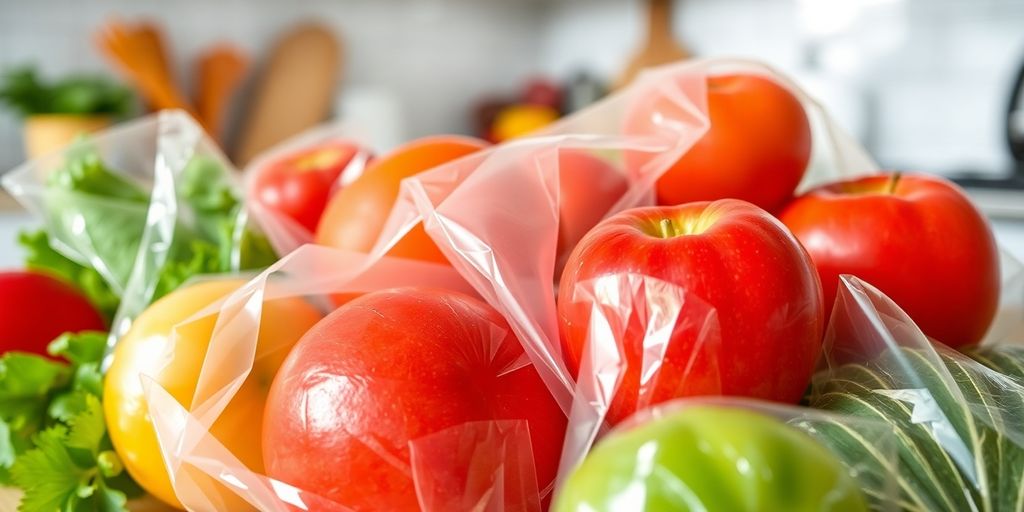
Conventional plastic food packaging, primarily made from petroleum-based plastics, poses significant environmental challenges. These plastics are non-biodegradable and contribute to the growing plastic pollution crisis, with food packaging accounting for a substantial portion of plastic waste. As these plastics break down, they can leach harmful chemicals into the environment and food products, potentially causing health risks. An environmentally friendly alternative is needed to combat these issues and promote sustainable practices.
Plastic packaging also has detrimental impacts on wildlife. Animals can become entangled in or ingest plastic waste, leading to injury or death. Additionally, the production and disposal of plastic packaging generate greenhouse gas emissions, contributing to climate change.
Characteristics of Sustainable Food Packaging
Use of Renewable and Recyclable Materials
Sustainable food packaging prioritizes the use of renewable and recyclable materials to minimize waste and reduce environmental impact. Renewable materials, such as bioplastics, compostable materials, and responsibly sourced paper, are derived from natural resources that can be replenished over time. These materials help reduce our reliance on finite resources and promote a more sustainable future. Recyclable materials, such as glass, aluminum, and certain types of plastic, can be processed and reused efficiently, reducing the need for virgin materials. By incorporating renewable and recyclable materials, businesses can contribute to a circular economy and reduce their environmental footprint.
Innovative Designs for Reduced Waste
Innovative designs play a crucial role in reducing waste in sustainable food packaging. Minimalist designs, for example, focus on reducing unnecessary materials and optimizing space efficiency, minimizing waste while maintaining product protection. Edible packaging, made from materials like seaweed or starch, eliminates waste entirely, providing an edible barrier for certain food items. Biodegradable packaging, made from materials like mushroom mycelium, can decompose naturally, reducing waste and environmental impact. By embracing innovative designs, businesses can push the boundaries of sustainability and find creative solutions that benefit both the environment and consumer experience.
1. Compostable Plant-Based Plastics (PLA)
Materials used: PLA (polylactic acid) is a compostable plastic made from renewable plant sources like corn starch or sugarcane. It is one of the most common eco-friendly alternatives to traditional petroleum-based plastics. Eco-friendly packaging options, such as biodegradable, compostable, and recyclable materials, help minimize waste and preserve natural resources.
Pros: PLA is biodegradable and compostable in industrial facilities, reducing plastic waste. It is made from renewable plant sources rather than fossil fuels. PLA has a lower carbon footprint than conventional plastics.
Cons: PLA does not readily break down in home compost bins or landfills without proper industrial composting conditions. There are concerns about the sustainability of feedstock crops like corn used to make PLA. Some PLA products may be difficult to distinguish from regular plastic.
Use cases: PLA is commonly used for food packaging like deli containers, drink cups, utensils, and clamshell containers. It is a popular alternative to polystyrene foam and rigid plastic containers. Look for the #7 resin code and “PLA” or “compostable” labels.
2. Compostable Molded Fiber/Sugarcane Packaging
Made from renewable plant fibers like sugarcane bagasse and bamboo, molded fiber packaging is a sustainable alternative to plastic. These food containers are compostable, biodegradable, and can break down within 90 days in a commercial composting facility.
Materials used: Sugarcane fiber, bamboo fiber, reed fiber, wheat fiber
Pros:
- Renewable and compostable materials
- Durable and microwavable
- Insulating properties keep food warm
- Can be molded into various shapes like clamshells, bowls, trays
Cons:
- May require a compostable lining for liquid items
- Not as widely available as plastic packaging
- Can be more expensive than plastic options
Use cases: Takeout containers, food trays, bowls, plates, cup holders, clamshell containers
Identifying features: Look for the terms “molded fiber”, “bagasse”, “sugarcane”, or “plant fiber” packaging.
3. Reusable glass jars and containers
Made from the abundant and renewable resource of sand, glass is inherently eco-friendly. Unlike plastic, glass can be endlessly recycled without losing its quality or integrity. This closed-loop recycling process ensures that glass containers can be repurposed time and time again, reducing waste and the need for new raw materials.
Pros:
– Reusable and long-lasting: Glass jars and containers can be used repeatedly, eliminating the need for constant replacement.
– Recyclable: Glass is one of the most recyclable materials, with a high recovery rate.
– Non-toxic: Glass does not leach harmful chemicals or compounds into food and beverages.
– Preserves freshness: The airtight seal of glass containers helps maintain the freshness and quality of food.
– Versatile: Glass jars and containers can be used for a wide range of food storage, from dry goods to liquids.
Cons:
– Heavier than plastic: The weight of glass can make it less convenient for some applications.
– Potential breakage: Glass containers are more fragile than plastic and can break if dropped or mishandled.
– Higher upfront cost: The initial investment in reusable glass containers may be higher than single-use options.
Use cases: Reusable glass jars and containers are well-suited for a variety of food storage and transport needs, from pantry staples to leftovers and homemade sauces. They can be used in the kitchen, the office, or on-the-go, making them a versatile choice for eco-conscious consumers.
By embracing reusable glass packaging, consumers can make a tangible impact on reducing plastic waste and promoting a more sustainable future for food storage and transportation. As we strive to adopt eco-friendly practices, the durability and recyclability of glass containers make them a shining example of how we can reduce our environmental footprint one container at a time.
4. Reusable Stainless Steel Containers
Stainless steel is an incredibly durable and long-lasting material for food storage containers. These reusable containers are a sustainable alternative to single-use plastic, helping reduce waste and plastic pollution. A major pro is that stainless steel is virtually indestructible and can last for decades with proper care. Additionally, they serve as an excellent eco friendly packaging solution, promoting sustainability and reducing environmental impact.
Stainless steel containers are ideal for storing and transporting meals, leftovers, snacks, and more. They are easy to clean, won’t absorb odors or flavors, and their airtight lids keep food fresh for longer. Look for food-grade stainless steel (typically 304 grade) with BPA-free lids. While the upfront cost is higher than plastic, their reusability makes them cost-effective over time.
The main con is that stainless steel is not microwave-safe, so you’ll need to transfer contents to a microwave-safe dish for reheating. Stainless steel is also a conductive material, so the containers may become very hot when filled with hot foods.
5. Reusable Cloth Bags and Wraps
Reusable cloth bags and wraps, such as those made from beeswax-coated organic cotton, offer a sustainable alternative to single-use plastic bags and wraps. These products can be used for sandwiches, snacks, and storing food items, and are designed to be washed and reused for up to a year before being composted.
Pros:
- Reusable and biodegradable
- Made from natural materials like cotton and beeswax
- Versatile for various food storage needs
- Stylish and available in different colors/patterns
Cons:
- Limited lifespan (around a year)
- More expensive than disposable options
- Not suitable for hot foods or liquids
Use Cases: Beeswax wraps and cloth bags are ideal for packing sandwiches, snacks, fruits, and other dry foods for school lunches, picnics, or on-the-go meals. They can also be used to cover bowls or wrap up leftovers in the fridge.
Identifying Features: Look for wraps and bags made from organic cotton coated with beeswax or plant-based waxes. They often come in various sizes and fun prints. Reputable brands include Bee’s Wrap and products found on Amazon.
6. Recyclable Aluminum Cans
Aluminum cans are one of the most recyclable and sustainable packaging options for beverages and some food items. They have a high recycling rate globally, with approximately 60% of all aluminum cans being recycled. In North America, the recycling rate for aluminum beverage cans is even higher at 67%.
Pros:
- Highly recyclable and can be recycled repeatedly without loss of quality
- Recycling aluminum cans saves significant energy compared to producing new cans from raw materials
- Lightweight and durable, making them efficient for transportation and storage
Cons:
- Production of new aluminum cans from raw materials is energy-intensive and can have environmental impacts
- Some recycling facilities may not accept aluminum cans with certain types of coatings or linings
Use Cases: Aluminum cans are commonly used for packaging carbonated beverages, beer, and some food items like soups, broths, and pet food.
Identifying Features: Look for the aluminum can’s distinctive metallic appearance and the recyclable symbol or label indicating it can be recycled.
7. Recyclable aseptic cardboard cartons
Aseptic cardboard cartons, like those used for milk, juice, and some wines, are made of a combination of paperboard, plastic, and aluminum. According to Tetra Pak, around 70% of the carton is paperboard, 25% plastic, and 5% aluminum. While technically recyclable, these cartons require specialized facilities to properly separate the materials.
Pros:
- Made primarily from renewable paperboard
- Protects contents without preservatives
- Lightweight and compact
Cons:
- Limited recycling options in many areas
- Plastic and aluminum components complicate recycling
- Not biodegradable or compostable
Use cases: Shelf-stable milk, juice boxes, wine cartons
Identifying features: Rectangular carton made of thin layers of paperboard, plastic, and aluminum
8. Recycled Paperboard
Recycled paperboard is an eco-friendly packaging option made from post-consumer recycled paper and/or FSC certified paper sources. It is designed to have a low environmental impact while still providing durable packaging for food products.
Pros:
- Made from recycled materials, reducing waste
- Easily recyclable after use
- Biodegradable and compostable
- Rigid yet lightweight structure
Cons:
- Not waterproof without additional coatings
- May have a shorter shelf life than plastic packaging
Use Cases: Recycled paperboard is commonly used for packaging dry foods like cereals, crackers, and baked goods. It can also be molded into trays or clamshell containers for produce, baked goods, and more.
Identifying Features: Recycled paperboard has a rigid yet lightweight feel. It may have a slightly rougher texture compared to virgin paper packaging. Check for labels or logos indicating it is made from recycled or FSC certified materials.
9. Beeswax Wraps
Beeswax wraps are a sustainable and reusable alternative to plastic wrap. Made from organic cotton coated with beeswax, jojoba oil, and tree resin, these wraps can be used to cover bowls, wrap sandwiches, cheese, and produce.
Pros:
- Reusable for up to a year with proper care
- Breathable and moisture-wicking
- Antibacterial properties from beeswax
- Compostable at the end of their lifespan
Cons:
- Not suitable for raw meat or hot foods
- Can develop a waxy buildup over time
- More expensive than plastic wrap
Use Cases: Beeswax wraps are ideal for covering bowls, wrapping sandwiches, cheese, fruits, and vegetables. Look for wraps made from organic cotton and pure beeswax from reputable brands like Bee’s Wrap or Superbee.
10. Bamboo and Wood Packaging
Bamboo and wood packaging offer a renewable and biodegradable alternative to plastic. These natural materials are sourced from fast-growing plants, making them a more sustainable option. Bamboo in particular can grow up to five times faster than wood, replenishing itself quickly.
Pros of bamboo and wood packaging include:
- Compostable and biodegradable
- Durable and sturdy
- Renewable and sustainable sourcing
- Natural and elegant look
Cons may include higher costs compared to some other eco-friendly options and potential issues with moisture absorption.
These materials are well-suited for packaging dry foods like snacks, grains, and produce. Look for bamboo or wood crates, boxes, trays, and utensils when shopping for eco-friendly packaging. Bamboo packaging often has a distinctive light wood color and texture.
10. Edible Packaging
Edible packaging is an innovative type of eco-friendly packaging that eliminates waste entirely. Made from edible materials, such as seaweed-based packaging and milk protein-based packaging, edible packaging provides a sustainable solution for single-use packaging. This type of packaging can be used for a variety of applications, including food packaging, beverage packaging, and snack packaging. By using edible packaging, businesses can reduce waste, conserve resources, and mitigate environmental impact. Additionally, edible packaging can enhance the consumer experience, providing a unique and sustainable packaging solution that is both functional and environmentally friendly.
Benefits of Sustainable Packaging
Reduced Environmental Impact
Sustainable packaging offers numerous benefits, including reduced environmental impact. By using eco-friendly packaging materials, such as bioplastics, compostable materials, and recyclable materials, businesses can minimize waste, conserve resources, and reduce greenhouse gas emissions. Sustainable packaging can also help reduce pollution, protect biodiversity, and promote sustainable agriculture. By adopting sustainable packaging practices, businesses can contribute to a more sustainable future, reducing their environmental footprint and promoting eco-friendly practices throughout their supply chain.
By following this approach, the new sections will seamlessly integrate into the existing article, providing valuable information on sustainable food packaging while maintaining a consistent tone and style.
3 Eco-Unfriendly Options to Avoid
While there are many innovative eco-friendly packaging solutions, some options should be avoided due to their negative environmental impact. These include:
- Plastic tubs, trays, and clamshells: These rigid plastic containers are made from non-renewable petroleum-based plastics that are not biodegradable or easily recycled. They often end up in landfills or as litter, polluting the environment for centuries.
- Styrofoam containers: Styrofoam (expanded polystyrene foam) is non-biodegradable and non-recyclable in most areas. It is a major source of plastic pollution, breaking down into microplastics that contaminate soil and waterways. Styrofoam production and disposal also release harmful chemicals and greenhouse gases (source).
- Multilayer flexible plastic pouches: These pouches are made from multiple layers of different plastics, making them difficult to recycle. They often end up in landfills or as litter, contributing to plastic waste and pollution (source).
How Consumers Can Make More Sustainable Food Packaging Choices
Consumers have the power to drive change by making conscious choices when it comes to food packaging. One of the most effective ways to reduce waste is to bring reusable containers when possible, such as glass jars, stainless steel tiffins, or cloth bags. This eliminates the need for single-use packaging altogether. Additionally, many restaurants and grocery stores now offer “no packaging” options for takeout or bulk items, allowing customers to use their own containers.
Supporting brands that prioritize eco-friendly packaging is another way to incentivize sustainable practices. Look for products packaged in materials like compostable plant-based plastics, molded fiber containers, or recyclable paperboard. These companies are leading the way in innovative solutions and deserve consumer support.
When disposable packaging is unavoidable, proper recycling and composting are crucial. Ensure that recyclable materials like aluminum, glass, and cardboard are separated and sent to the appropriate facilities. Compostable packaging should be diverted to industrial composting facilities or backyard composters, as these materials can break down into nutrient-rich soil (Source).
Conclusion: Choosing a Greener Future for Food Packaging
As we’ve explored, there is an abundance of innovative eco-friendly food packaging options available to help us reduce our reliance on harmful plastic waste. From compostable plant-based plastics and molded fiber trays to reusable glass jars and cloth bags, these sustainable alternatives offer a greener way to transport and store our food.
By making conscious choices to avoid plastic tubs, styrofoam containers, and multilayer pouches, we can collectively make a significant impact in curbing plastic pollution. Every small step we take, whether it’s bringing our own reusable containers, supporting brands using eco-packaging, or properly recycling and composting, contributes to a cleaner, healthier planet.
The time to act is now. Let’s embrace these eco-friendly packaging solutions and pave the way for a future where our food doesn’t come at the cost of environmental destruction. Together, we can create a more sustainable food system, one reusable bag, compostable tray, and glass jar at a time.


