


Food packaging is becoming greener than ever. Plastics are phasing out and compostable papers are kicking in. Yet food brands are still looking for even more sustainable and eco-friendly solutions for their packaging except for the stunning color together with exaggerated font and shining outlook to make their food more appetizing. Food paper materials like PE are also fading away, and new alternatives like WBBC and PLA are getting more popular among consumers.
Traditional packaging often ends up in landfills, harming the environment. Luckily, there are many innovative and eco-friendly packaging solutions that food brands are embracing to help reduce waste and promote sustainability. This article will explore 15 of the best sustainable food packaging options available today.
Key Takeaways
Sustainable packaging helps reduce waste and protect the environment.
Materials like biodegradable plastics and plant-based options are safer for the planet.
Reusable packaging encourages a cycle of use rather than disposal.
Edible packaging offers a unique way to eliminate waste by being consumable.
Innovative solutions like mushroom packaging and water-soluble films are paving the way for the future.
1. Biodegradable Packaging
Biodegradable packaging is made from natural materials that can break down over time, helping to reduce waste in landfills and oceans. This type of packaging is important for protecting our environment.
Key Materials Used:
Bioplastics: Made from renewable resources like corn or sugarcane.
Compostable Paper: Paper that can decompose and enrich the soil.
Starch-Based Polymers: These are derived from plants and break down easily.
Benefits of Biodegradable Packaging:
Reduces landfill waste: It decomposes naturally, unlike traditional plastics.
Less pollution: It leaves behind fewer harmful substances.
Supports sustainable practices: Encourages the use of renewable resources.
Biodegradable packaging is a step towards a cleaner planet, as it helps minimize the impact of waste on our environment.
2. Recyclable Packaging
Recyclable packaging is made to be collected and turned into new products. This helps reduce waste and saves natural resources. Common materials used for recyclable packaging include:
Cardboard
Glass
Aluminum
Certain plastics
Benefits of Recyclable Packaging
Reduces landfill waste: By recycling, we keep materials out of landfills.
Conserves resources: Recycling uses less energy and raw materials compared to making new products.
Supports the economy: Recycling creates jobs in the recycling and manufacturing industries.
Recyclable packaging is a key part of a sustainable future. It allows us to reuse materials and lessen our impact on the planet.
3. Reusable Packaging
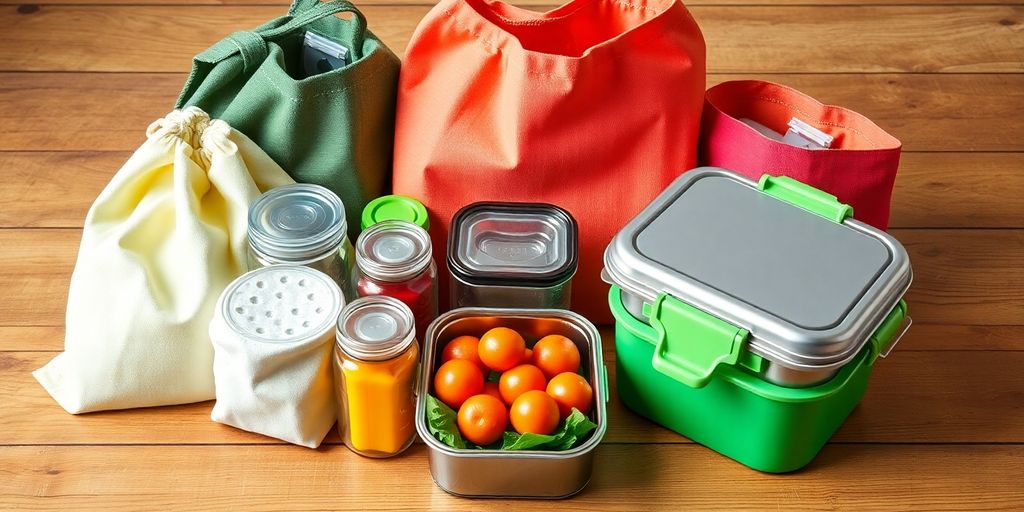
Reusable packaging is a smart choice for reducing waste. It allows items to be used multiple times, which cuts down on the need for new materials. Here are some common types of reusable packaging:
Glass jars: Great for food storage and can be used over and over.
Metal tins: Perfect for snacks and can be refilled.
Durable plastic containers: These can hold various items and are easy to clean.
Benefits of Reusable Packaging
Less Waste: Using items multiple times means less trash.
Cost-Effective: Over time, it can save money since you buy less packaging.
Promotes Sustainability: Encourages a culture of recycling and reusing among consumers.
Reusable packaging not only helps the environment but also encourages people to think about their consumption habits. By choosing reusable options, we can all contribute to a healthier planet.
4. Plant-Based Plastics
Plant-based plastics, often called bioplastics, are made from renewable resources like corn starch, sugarcane, or cellulose. These materials are better for the environment because they break down more easily than regular plastics.
Benefits of Plant-Based Plastics:
Biodegradable: They decompose naturally, reducing waste in landfills.
Lower Carbon Footprint: They produce fewer greenhouse gases during production.
Renewable Resources: Made from plants, they don’t rely on fossil fuels.
Comparison Table of Plant-Based Plastics vs. Traditional Plastics:
Feature | Plant-Based Plastics | Traditional Plastics |
|---|---|---|
Biodegradability | Yes | No |
Source | Renewable | Fossil Fuels |
Carbon Emissions | Lower | Higher |
Plant-based plastics represent a significant step towards reducing plastic pollution and promoting sustainability in packaging.
5. Mushroom Packaging
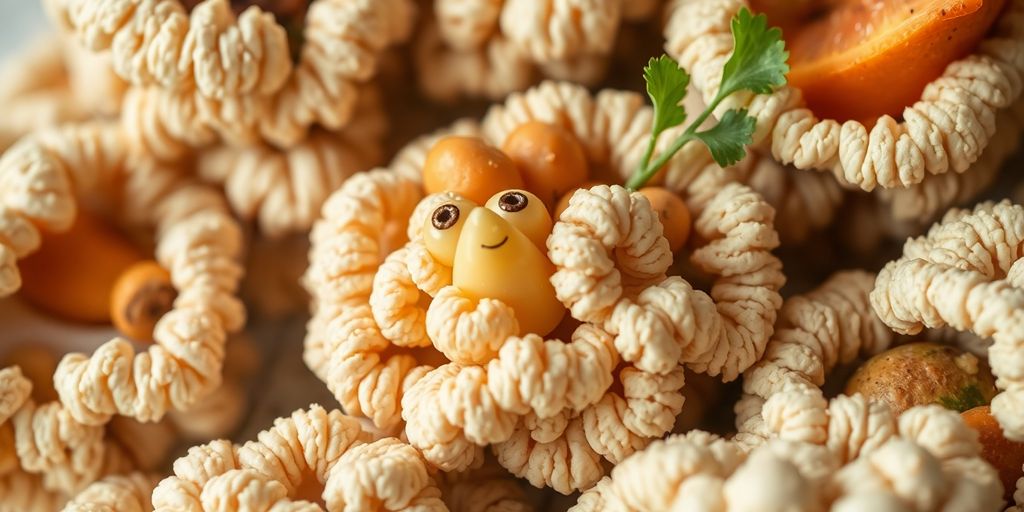
Mushroom packaging, also known as mycelium packaging, is an innovative solution that uses the natural properties of mycelium—the root structure of mushrooms—to create eco-friendly packaging. This type of packaging is made by binding agricultural waste with mycelium, resulting in a biodegradable product.
Benefits of Mushroom Packaging
Biodegradable: Breaks down naturally without harming the environment.
Sustainable: Made from renewable resources, reducing reliance on plastics.
Insulating: Provides excellent protection for fragile items during shipping.
How It Works
Gathering Materials: Agricultural waste, like corn husks or straw, is collected.
Mycelium Growth: Mycelium is introduced to the waste, allowing it to grow and bind the materials together.
Molding: The mixture is placed in molds to form the desired packaging shape.
Drying: The final product is dried to stop the growth of mycelium and ensure durability.
Mushroom packaging not only offers a sustainable alternative to traditional materials but also contributes to reducing waste in landfills. It’s a step towards a greener future!
6. Edible Packaging
Edible packaging is an exciting innovation in the world of sustainable food packaging. This type of packaging can be eaten along with the food it contains, reducing waste significantly. Made from natural ingredients like seaweed, rice, or starch, edible packaging is not only functional but also environmentally friendly.
Benefits of Edible Packaging
Waste Reduction: Since the packaging is edible, it eliminates the need for disposal.
Nutritional Value: Some edible packages can add nutritional benefits to the food.
Versatility: They can be used for various food items, from snacks to meals.
Examples of Edible Packaging Materials
Material | Source | Common Uses |
|---|---|---|
Seaweed | Algae | Wrappers for sushi |
Rice | Grains | Snack packaging |
Starch | Corn or potatoes | Confectionery wraps |
Edible packaging represents a creative solution to the problem of waste in food packaging, combining taste and sustainability.
7. Paper Foam Packaging
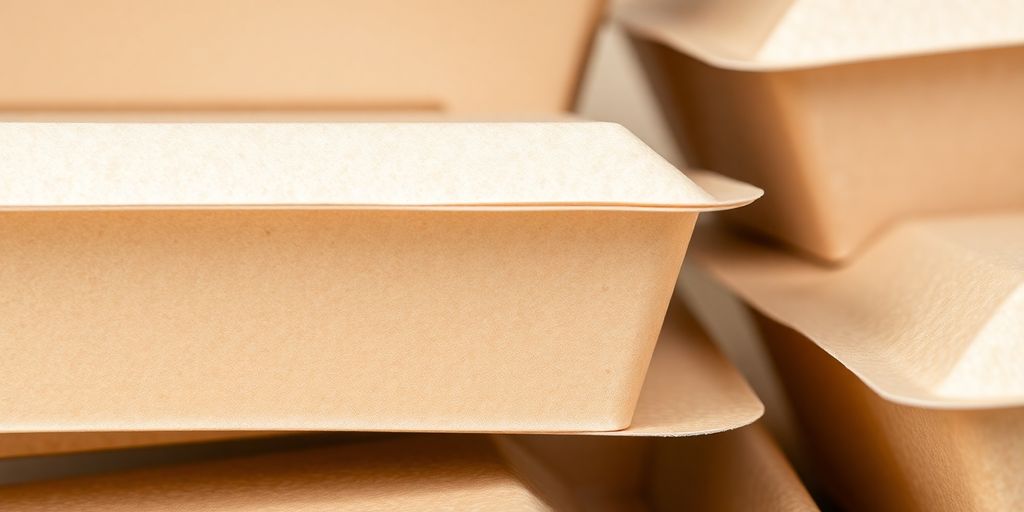
Paper foam packaging, also known as molded pulp packaging, is made from recycled paper fibers. This type of packaging is shaped to protect products during shipping. It is lightweight and biodegradable, making it a great choice for the environment.
Benefits of Paper Foam Packaging
Eco-Friendly: Made from recycled materials, reducing waste.
Cushioning: Provides excellent protection for fragile items.
Versatile: Can be molded into various shapes for different products.
Common Uses
Electronics packaging
Food containers
Shipping fragile items
Paper foam packaging is a smart choice for businesses looking to reduce their environmental impact while ensuring their products arrive safely.
8. Water-Soluble Packaging
Water-soluble packaging is an innovative solution that dissolves in water, making it a great option for reducing waste. This type of packaging is often made from materials like PVA (polyvinyl alcohol) or starch derivatives. Here are some key points about water-soluble packaging:
Eco-Friendly: It helps cut down on plastic waste since it disappears in water.
Versatile Uses: Commonly used in food, detergents, and pharmaceuticals.
Single-Dose Convenience: Ideal for packaging single servings, making it easy to use.
Benefits of Water-Soluble Packaging
Reduces Waste: No need for disposal, as it simply dissolves.
Safe for the Environment: Leaves no harmful residues behind.
Convenient for Consumers: Easy to use and dispose of without extra steps.
Water-soluble packaging represents a significant step towards a cleaner planet, as it minimizes the impact of traditional packaging waste.
9. Upcycled Packaging
Upcycled packaging is a creative way to give waste materials a new purpose. By transforming items like old wood, denim, or discarded textiles into packaging, we can reduce waste and create unique designs. This approach not only helps the environment but also adds a special touch to products.
Benefits of Upcycled Packaging
Reduces waste: Keeps materials out of landfills.
Unique designs: Each piece can have its own character.
Supports sustainability: Encourages a circular economy.
Examples of Upcycled Materials
Material | Description |
|---|---|
Reclaimed wood | Used for boxes and containers. |
Old textiles | Turned into bags or wraps. |
Plastic waste | Reformed into new packaging items. |
Upcycled packaging is not just about being eco-friendly; it’s also about creativity and innovation. By reimagining waste, we can create something beautiful and useful.
10. Zero-Waste Packaging
Zero-waste packaging is all about creating a system where nothing goes to waste. The goal is to design packaging that can be reused, composted, or recycled. This approach helps reduce the amount of trash we produce and supports a healthier planet.
Key Features of Zero-Waste Packaging:
Reusable: Packaging that can be used multiple times, like glass jars or metal containers.
Compostable: Materials that break down naturally and enrich the soil, such as certain types of paper and bioplastics.
Recyclable: Packaging that can be processed and made into new products, like cardboard and aluminum.
Benefits of Zero-Waste Packaging:
Reduces landfill waste by encouraging recycling and composting.
Supports a circular economy where materials are reused instead of thrown away.
Meets consumer demand for sustainable products, making businesses more appealing.
By adopting zero-waste packaging, companies can not only help the environment but also attract eco-conscious customers. This shift is essential for a sustainable future.
11. Kraft Paper
Kraft paper is a strong and durable type of paper made from wood pulp. It is often used for packaging because it is eco-friendly and can be recycled multiple times. Using kraft paper helps reduce waste and supports sustainable practices.
Benefits of Kraft Paper
Biodegradable: Unlike plastic, kraft paper breaks down naturally in the environment.
Recyclable: It can be recycled and reused, making it a great choice for eco-conscious consumers.
Versatile: Kraft paper can be used for various packaging needs, from bags to boxes.
Kraft Paper vs. Plastic
Feature | Kraft Paper | Plastic |
|---|---|---|
Biodegradability | Yes | No |
Recyclability | Yes | Limited |
Strength | High | Varies |
Kraft paper is not just a packaging option; it represents a step towards a more sustainable future. By choosing kraft paper, businesses can contribute to reducing plastic waste and promoting a healthier planet.
12. Bamboo Packaging
Bamboo packaging is an innovative and eco-friendly option that is gaining popularity. It is made from a fast-growing plant that can be harvested without harming the environment. Here are some key points about bamboo packaging:
Sustainable: Bamboo grows quickly and can be harvested in just a few years, making it a renewable resource.
Biodegradable: Unlike plastic, bamboo packaging breaks down naturally, reducing waste in landfills.
Durable: Bamboo is strong and can be used for various types of packaging, including containers and cutlery.
Benefits of Bamboo Packaging
Environmentally Friendly: Reduces reliance on fossil fuels and plastic.
Versatile: Can be used for food packaging, shipping materials, and more.
Stylish: Offers a natural look that appeals to consumers.
Bamboo packaging not only helps the planet but also meets the growing demand for sustainable products. By choosing bamboo, businesses can show their commitment to the environment.
13. Cornstarch-Based Plastics
Cornstarch-based plastics are made from the starch of corn and are a great alternative to traditional plastics. These materials break down faster and are more environmentally friendly. They are often used for single-use items like utensils, plates, and packaging materials.
Benefits of Cornstarch-Based Plastics
Biodegradable: They decompose more quickly than regular plastics, reducing waste.
Renewable Resource: Made from corn, a crop that can be replanted each year.
Lower Carbon Footprint: Producing these plastics typically results in fewer greenhouse gas emissions.
Common Uses
Disposable cutlery and plates
Packaging peanuts and bubble wrap
Food containers and bags
Cornstarch-based plastics represent a significant step towards reducing plastic pollution, making them a smart choice for eco-conscious consumers.
14. Glass Containers
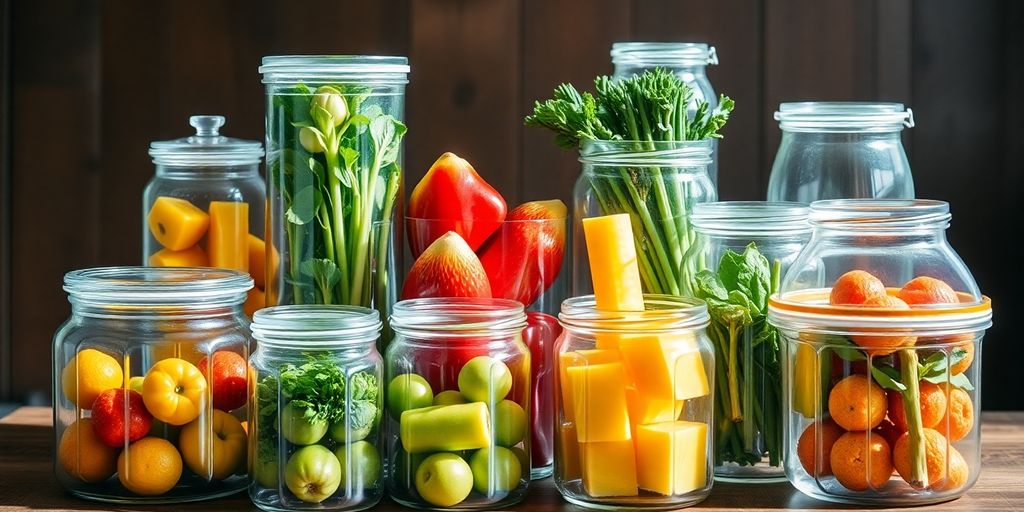
Glass containers are a fantastic choice for eco-friendly food packaging. They are reusable, recyclable, and do not leach harmful chemicals into food. Here are some key benefits of using glass containers:
Durability: Glass is strong and can last for many years if handled properly.
Non-Toxic: Unlike some plastics, glass does not contain harmful substances that can affect food quality.
Recyclability: Glass can be recycled endlessly without losing quality.
Benefits of Glass Containers
Benefit | Description |
|---|---|
Reusable | Can be used multiple times, reducing waste. |
Safe for Food | Does not react with food or beverages, ensuring safety. |
Eco-Friendly | Made from natural materials and fully recyclable. |
Glass containers are not just good for the environment; they also keep your food fresh and tasty.
In summary, glass containers are a smart and sustainable option for food packaging. They help reduce waste and keep our food safe.
15. Beeswax Wraps
Beeswax wraps are a fantastic alternative to plastic wrap. They are made from natural materials and can be reused multiple times. These wraps are created by infusing cotton fabric with beeswax, tree resin, and jojoba oil, making them flexible and sticky enough to cover food items.
Benefits of Beeswax Wraps
Eco-Friendly: They reduce plastic waste and are biodegradable.
Reusable: With proper care, they can last for up to a year.
Versatile: Great for wrapping sandwiches, covering bowls, or storing fruits and vegetables.
How to Care for Beeswax Wraps
Wash: Use cold water and mild soap to clean them.
Dry: Air dry them flat or hang them up.
Store: Keep them in a cool, dry place away from direct sunlight.
Beeswax wraps not only help keep your food fresh but also contribute to a healthier planet by minimizing plastic use.
Conclusion
In conclusion, choosing sustainable and eco-friendly food packaging is essential for protecting our planet. The options we discussed, like biodegradable materials, reusable containers, and plant-based plastics, show that we can reduce waste and pollution. By using these innovative solutions, businesses can not only meet the needs of their customers but also help create a healthier environment. As we move forward, it’s important for everyone to support these eco-friendly choices. Together, we can make a big difference for future generations.


