


Food packaging is changing fast, and these changes are important for our planet. As people become more aware of environmental issues, companies are coming up with new ways to package food that are safer, last longer, and create less waste. This article looks at exciting new ideas in food packaging, focusing on how they can help us eat better and protect our environment.
Key Takeaways
- Innovative packaging improves food safety and reduces spoilage.
- Sustainable materials like bioplastics and recycled items are gaining popularity.
- Smart packaging technologies help monitor freshness and reduce waste.
- Minimalist designs focus on reducing materials while keeping products safe.
- Collaboration among industries is key to developing eco-friendly packaging solutions.
The Importance of Food Packaging Innovations
Food packaging is more than just a way to hold our food; it plays a vital role in keeping it safe and fresh. Innovations in food packaging are essential for ensuring food safety, extending shelf life, and minimizing waste. Here’s a closer look at why these innovations matter:
Enhancing Food Safety
- Antimicrobial materials help prevent spoilage.
- Controlled-release technologies manage preservatives effectively.
- Packaging can be designed to reduce contamination risks.
Extending Shelf Life
- New materials can keep food fresh longer, reducing waste.
- Smart packaging can monitor freshness and alert consumers.
- Innovations like modified atmosphere packaging help maintain quality.
Minimizing Waste
- Sustainable packaging options, like biodegradable materials, are becoming more common.
- Reusable packaging can significantly cut down on waste production, promoting a more circular economy.
- Companies are encouraged to adopt recycling practices to reduce plastic waste accumulation.
By focusing on these areas, food packaging innovations not only enhance the quality of our food but also contribute to a healthier planet.
In summary, the advancements in food packaging are crucial for a sustainable future, addressing both safety and environmental concerns effectively.
Sustainable Materials in Food Packaging
Food packaging plays a crucial role in keeping our food safe and fresh. However, the materials used for packaging can have a big impact on the environment. Sustainable materials are designed to reduce this impact, making them a better choice for our planet.
Biodegradable Options
Biodegradable materials break down naturally over time, which helps reduce waste. Some examples include:
- Cornstarch-based plastics
- Mushroom packaging
- Seaweed-derived films
These materials not only help the environment but also offer innovative solutions to packaging challenges. For instance, mushroom packaging is made from agricultural waste and is fully compostable, making it a great alternative to traditional plastics.
Recycled and Upcycled Materials
Using recycled materials is another way to create sustainable packaging. This process gives new life to old products, reducing the need for new resources. Some common recycled materials include:
- Recycled paper and cardboard
- Recycled plastics
- Upcycled agricultural by-products
These materials help minimize waste and can be just as effective as new materials in protecting food.
Edible Packaging Solutions
Edible packaging is an exciting innovation that allows consumers to eat the packaging along with the food. This type of packaging can be made from:
- Starches
- Proteins
- Natural fats
By using edible packaging, we can significantly reduce waste and create a more sustainable food system.
The shift towards sustainable materials in food packaging is not just a trend; it’s a necessary step for a healthier planet.
In conclusion, sustainable materials in food packaging are essential for reducing waste and protecting our environment. As companies continue to explore these options, we can look forward to a future where packaging is both functional and eco-friendly.
Innovations like mushroom packaging and seaweed-derived films are paving the way for a more sustainable food industry.
Intelligent Packaging Technologies
Freshness Monitoring
Smart packaging is changing how we keep food fresh. With new technologies, we can now monitor the freshness of food items. This helps reduce waste by ensuring that consumers know when their food is still good to eat. Some key features include:
- Time-temperature indicators that show if food has been kept at the right temperature.
- Freshness sensors that alert consumers when food is nearing its expiration date.
- Color-changing labels that indicate spoilage.
Smart Labels and Sensors
Smart labels are becoming more common in food packaging. They provide important information to consumers, such as:
- Carbon footprint of the product.
- Recycling instructions to help reduce waste.
- Sourcing certifications that show the product is made sustainably.
These labels help consumers make better choices and understand the impact of their purchases.
Interactive Packaging
Interactive packaging is an exciting development in food packaging. It allows consumers to engage with the product in new ways. For example:
- QR codes that link to recipes or product information.
- Augmented reality features that enhance the shopping experience.
- Feedback systems that let consumers share their thoughts on the product.
By using intelligent packaging technologies, we can create a more sustainable future. These innovations not only help reduce waste but also empower consumers to make informed choices about their food.
In summary, intelligent packaging technologies are revolutionizing the food industry by enhancing safety, extending shelf life, and minimizing waste. As we continue to innovate, the potential for these technologies to contribute to a more sustainable food system is immense.
| Feature | Description |
|---|---|
| Freshness Monitoring | Alerts consumers about food freshness |
| Smart Labels | Provides eco-friendly information |
| Interactive Packaging | Engages consumers through technology |
Innovative Design Solutions for Convenience
Minimalist Packaging
Minimalist packaging focuses on simplicity and functionality. This design approach aims to reduce excess materials while still protecting the product. Key benefits include:
- Less waste: Using fewer materials means less trash.
- Cost-effective: Simpler designs can lower production costs.
- Consumer appeal: Many people prefer clean, simple designs.
Reusable and Refillable Options
Reusable and refillable packaging is becoming more popular. This type of packaging allows consumers to use the same container multiple times, which helps reduce waste. Some examples include:
- Glass jars for sauces and spreads.
- Metal containers for snacks and meals.
- Refill stations for cleaning products.
User-Friendly Designs
User-friendly designs make it easier for consumers to use products. This can include features like:
- Easy-open lids that require less effort.
- Clear labeling that shows ingredients and instructions.
- Portion control packaging that helps serve the right amount of food, reducing leftovers and waste.
Innovative packaging solutions can minimize food waste using features such as portion control packaging to serve the right amount of food and reduce leftovers.
These design solutions not only enhance convenience but also contribute to a more sustainable future by minimizing waste and promoting responsible consumption.
Collaborative Efforts in Sustainable Packaging
Industry Partnerships
Collaboration is key to creating sustainable packaging solutions. Companies, researchers, and organizations are joining forces to develop innovative designs that meet customer needs while being eco-friendly. These partnerships help in:
- Sharing knowledge and resources.
- Developing new materials and technologies.
- Addressing common challenges in packaging.
Research and Development
Research plays a vital role in advancing sustainable packaging. By working together, teams can:
- Explore new materials like bioplastics and recycled content.
- Test the effectiveness of innovative designs.
- Create solutions that reduce waste and improve food safety.
Consumer Awareness and Education
Educating consumers about sustainable packaging is essential. Collaborative efforts can help:
- Raise awareness about the benefits of eco-friendly packaging.
- Encourage consumers to choose products with sustainable packaging.
- Foster a culture of sustainability in the food industry.
By working together, the food industry can create innovative packaging that is both convenient and environmentally friendly. This collaboration is crucial for a sustainable future in food packaging.
Future Trends in Food Packaging Innovations
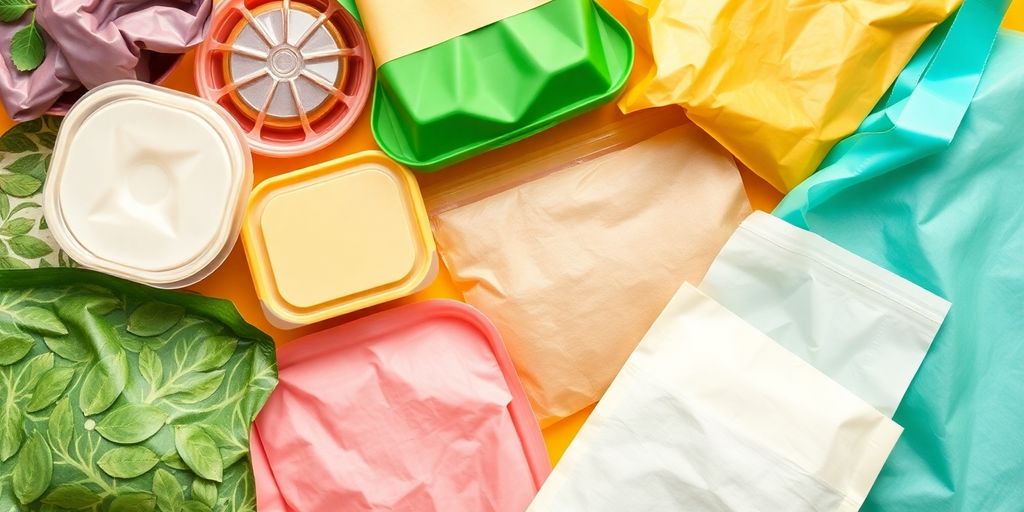
As we look ahead, the packaging industry is undergoing a profound transformation towards more sustainable solutions. Here are some exciting trends to watch:
3D-Printed Packaging
- Customization: 3D printing allows for unique designs tailored to specific products.
- Material Efficiency: Reduces waste by using only the necessary amount of material.
- Rapid Prototyping: Speeds up the design process, enabling quicker market responses.
Water-Soluble Packaging
- Eco-Friendly: Dissolves in water, leaving no waste behind.
- Convenience: Ideal for single-use items, reducing plastic consumption.
- Innovative Applications: Can be used for items like detergent pods and food wraps.
Seaweed-Based Packaging
- Sustainable Source: Made from renewable seaweed, reducing reliance on plastics.
- Biodegradable: Breaks down naturally, minimizing environmental impact.
- Nutritional Benefits: Some seaweed packaging can even be edible, adding value to the product.
The future of food packaging is not just about protecting products; it’s about creating a sustainable and responsible system that benefits both consumers and the planet.
These trends highlight the ongoing shift towards sustainable and eco-friendly packaging solutions, paving the way for a greener future in the food industry.
Challenges and Opportunities in Sustainable Packaging
Environmental Impact
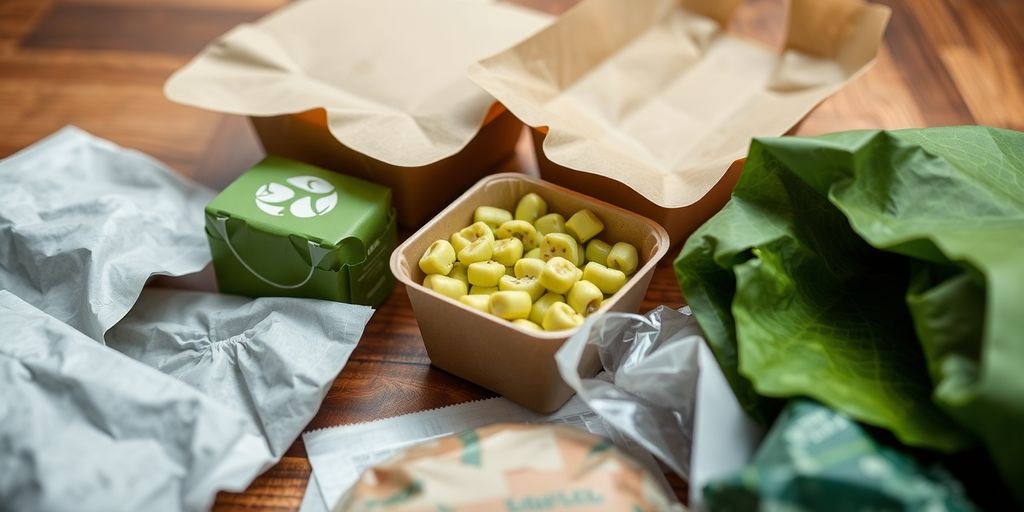
Sustainable packaging faces significant environmental challenges. The production and disposal of traditional packaging materials contribute to pollution and waste. To combat this, companies are exploring new materials that are less harmful to the planet. Here are some key points to consider:
- Plastic waste is a major concern, as it takes hundreds of years to decompose.
- Many packaging materials are not recyclable, leading to increased landfill waste.
- The carbon footprint of packaging production is substantial, necessitating greener alternatives.
Economic Viability
While sustainable packaging offers many benefits, it also presents economic challenges. Companies must balance cost with sustainability. Here are some factors to consider:
- Initial investment in sustainable materials can be high.
- Consumer demand for eco-friendly products is growing, but price sensitivity remains a concern.
- Supply chain adjustments may be needed to accommodate new materials, which can be costly.
Regulatory Considerations
Regulations surrounding packaging are evolving, creating both challenges and opportunities. Companies must stay informed about:
- New laws aimed at reducing plastic waste.
- Incentives for using sustainable materials.
- Labeling requirements that inform consumers about the environmental impact of packaging.
The shift towards sustainable packaging is not just a trend; it is a necessary evolution in the industry. By embracing these changes, companies can not only reduce their environmental footprint but also meet the growing consumer demand for eco-friendly products.
In conclusion, while there are challenges in adopting sustainable packaging, the opportunities for innovation and market growth are significant. Companies that invest in sustainable solutions can lead the way in creating a more environmentally friendly future.
Conclusion
In conclusion, the future of food packaging is bright and full of promise. As we face growing environmental challenges, innovative packaging solutions are stepping up to make a difference. From using materials that break down naturally to designs that help reduce waste, these advancements show that we can protect our planet while enjoying our favorite foods. Collaboration among businesses, scientists, and consumers is key to creating a sustainable future. By working together, we can ensure that food packaging not only keeps our food safe but also helps us care for the Earth. The journey towards a greener world is just beginning, and every small step counts.


