


Everyone loves the word sustainability, meaning more eco friendly, greener and of course health. In food packaging, sustainable materials are a must nowadays. Food brands love to use sustainable packaging solutions that sound more correct and favored by their clients. And that’s why packaging made with cornstarch, popcorn, and mushrooms, as well as innovative and biodegradable cutlery, plates, and containers are getting popular. And plastics are dying.
But how to be more sustainable? What can be used to reduce waste and promote recycling?
In today’s article, we are going to explore ways to achieve more sustainable packaging and what to do to make your brand more sustainable, why we are all getting “sustainalized” and how it impacts consumer choices moving forward.
Key Takeaways
Sustainable packaging is crucial due to rising consumer demand for eco-friendly options.
Using renewable and recyclable materials helps reduce waste and environmental impact.
Designing smaller and simpler packaging can save resources and costs.
Certifications like FSC and SFI ensure that materials come from responsibly managed sources.
Educating consumers about proper disposal and recyclability fosters brand loyalty.
Understanding the Importance of Sustainable Food Packaging
Consumer Demand for Sustainability
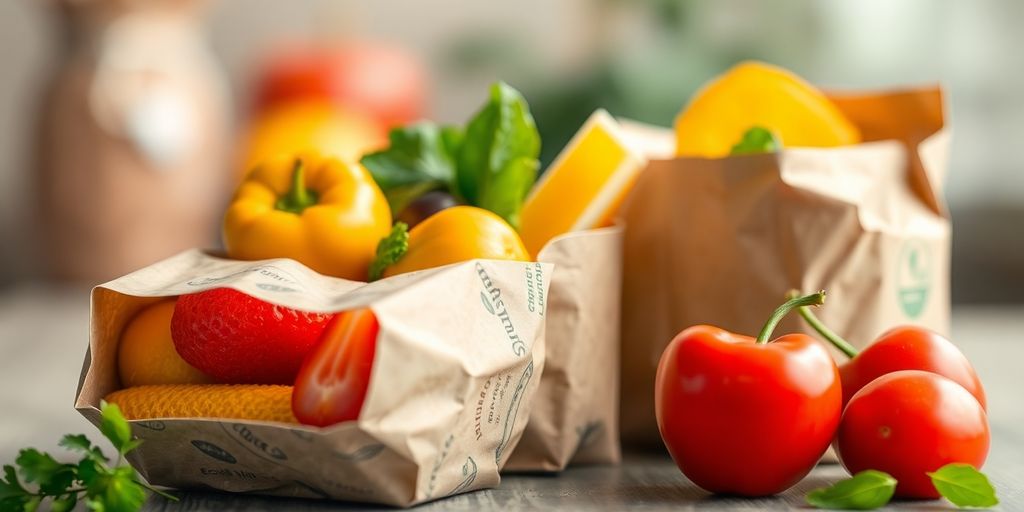
Sustainable food packaging is becoming a big deal for many brands. A large number of consumers, about 82%, say that sustainability is very important to them. This means that companies need to pay attention to how their packaging affects the environment. When brands show they care about the planet, they can build strong loyalty among customers who value eco-friendly practices.
Environmental Impact of Packaging Waste
Packaging waste is a major problem for our planet. Here are some key points to consider:
Many packaging materials end up in landfills, harming wildlife and ecosystems.
Plastics can take hundreds of years to break down, causing long-term damage.
Sustainable packaging aims to reduce waste and promote recycling, helping to protect the environment.
Economic Benefits for Brands
Using sustainable packaging can also be good for business. Here are some benefits:
Cost Savings: Reducing materials can lower production costs.
Brand Image: Companies that use eco-friendly packaging often attract more customers.
Regulatory Compliance: Many regions are starting to enforce stricter packaging laws, so being sustainable can help brands stay ahead.
By focusing on sustainable food packaging, brands not only help the environment but also connect with consumers who care about making a positive impact.
Choosing the Right Materials for Sustainable Food Packaging
Selecting the right materials is a key step in creating sustainable food packaging. Using eco-friendly materials not only helps the environment but also attracts consumers who care about sustainability. Here are some important types of materials to consider:
Renewable and Recyclable Materials
Paper and Cardboard: These materials are biodegradable and can be recycled multiple times.
Glass: This is a durable option that can be reused and recycled indefinitely.
Metal: Known for its recyclability, metal packaging has a long lifespan and is safe for food storage.
Biodegradable and Compostable Options
Corn-Starch Packaging: Made from corn, this type of packaging breaks down easily and is safe for the environment.
Kraft Paper: This is made from plant-based materials and is both recyclable and compostable.
Compostable Bowls: Often made from sugarcane fiber, these are fully biodegradable and great for takeout.
Innovative Packaging Materials
Bioplastics: These are made from renewable resources and can reduce reliance on traditional plastics.
Hemp and Cotton: These materials are sustainable and can be used for various packaging needs.
Post-Consumer Recycled Materials: Using materials that have already been used helps reduce waste and supports recycling efforts.
Choosing the right materials for food packaging is not just about being eco-friendly; it’s also about meeting consumer expectations and building brand loyalty. By prioritizing sustainability, brands can connect with customers who value environmental responsibility.
Designing Eco-Friendly Packaging Solutions
Right-Size Packaging Principles
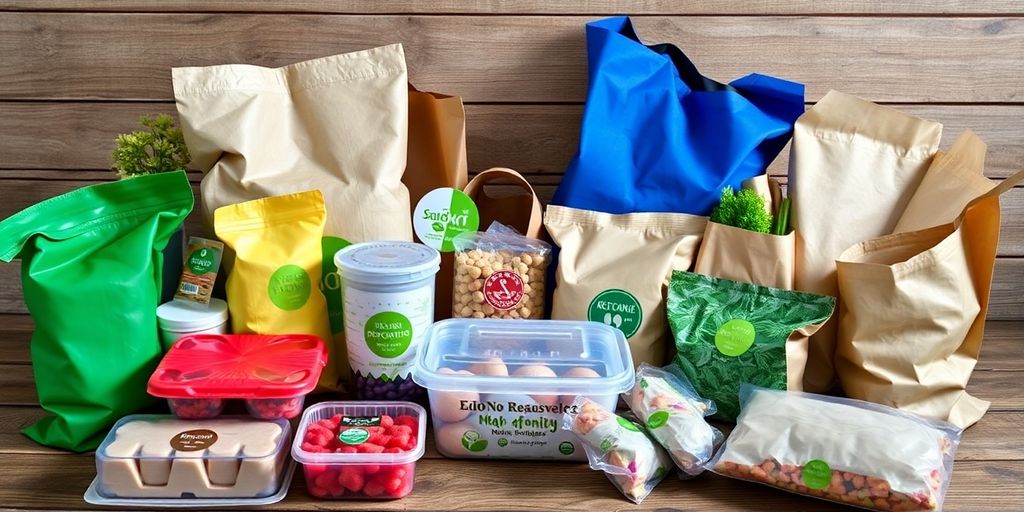
When designing packaging, it’s important to use the right size. This helps reduce waste and saves materials. Here are some key points to consider:
Use only what you need: Avoid oversized packaging that wastes space.
Optimize shapes: Design shapes that fit products snugly.
Consider transport: Smaller packages can save on shipping costs and emissions.
Minimizing Packaging Layers
Reducing the number of layers in packaging can significantly lower waste. Here are some strategies:
Combine functions: Use materials that serve multiple purposes.
Eliminate unnecessary layers: Assess if every layer is needed.
Use single-material designs: This makes recycling easier.
Innovative and Minimalist Designs
Minimalist designs focus on simplicity and functionality. They can be both attractive and eco-friendly. Consider these ideas:
Use clear labeling: Make it easy for consumers to understand how to recycle.
Incorporate natural colors: This reduces the need for dyes and chemicals.
Explore edible packaging: Materials like seaweed can be used for certain products, reducing waste.
Designing eco-friendly packaging is not just about materials; it’s about creating a sustainable mindset that values efficiency and responsibility.
Certifications and Standards for Sustainable Packaging
Forest Stewardship Council (FSC) Certification
The Forest Stewardship Council (FSC) certification ensures that products come from responsibly managed forests. This means that the forest is being cared for in a way that protects wildlife, plants, and the rights of local communities. Choosing FSC-certified materials helps promote sustainable forestry practices.
Sustainable Forestry Initiative (SFI) Certification
The Sustainable Forestry Initiative (SFI) certification focuses on sustainable forest management. It promotes responsible practices that protect water quality, wildlife habitat, and the rights of workers. Companies with SFI certification are committed to maintaining healthy forests for future generations.
Programme for the Endorsement of Forest Certification (PEFC)
The Programme for the Endorsement of Forest Certification (PEFC) is another important certification. It ensures that wood and paper products come from sustainably managed forests. PEFC works with local organizations to promote sustainable practices worldwide.
Summary of Certifications
Certification | Focus Area | Key Benefit |
|---|---|---|
FSC | Forest management | Protects wildlife and communities |
SFI | Sustainable practices | Maintains healthy forests |
PEFC | Global certification | Supports local organizations |
Understanding these certifications is crucial for brands aiming to adopt sustainable packaging. They not only ensure environmental responsibility but also enhance brand reputation.
Implementing Sustainable Practices in Packaging Production
Energy-Efficient Manufacturing Processes
To make packaging production more sustainable, companies should focus on energy efficiency. This can include:
Using renewable energy sources like solar or wind.
Upgrading machinery to more efficient models.
Implementing energy-saving practices in daily operations.
By reducing energy consumption, businesses can lower their carbon footprint significantly.
Localizing Supply Chains
Bringing production closer to the source of materials can help reduce transportation emissions. Here are some benefits:
Lower shipping costs.
Faster delivery times.
Support for local economies.
Reducing Carbon Footprint in Shipping
Shipping is a major contributor to carbon emissions. To minimize this impact, companies can:
Use smaller packaging to reduce weight.
Optimize delivery routes to save fuel.
Partner with eco-friendly shipping companies.
Implementing these practices not only helps the environment but can also lead to cost savings for businesses.
Educating Consumers on Sustainable Packaging
Promoting Recyclability and Reusability
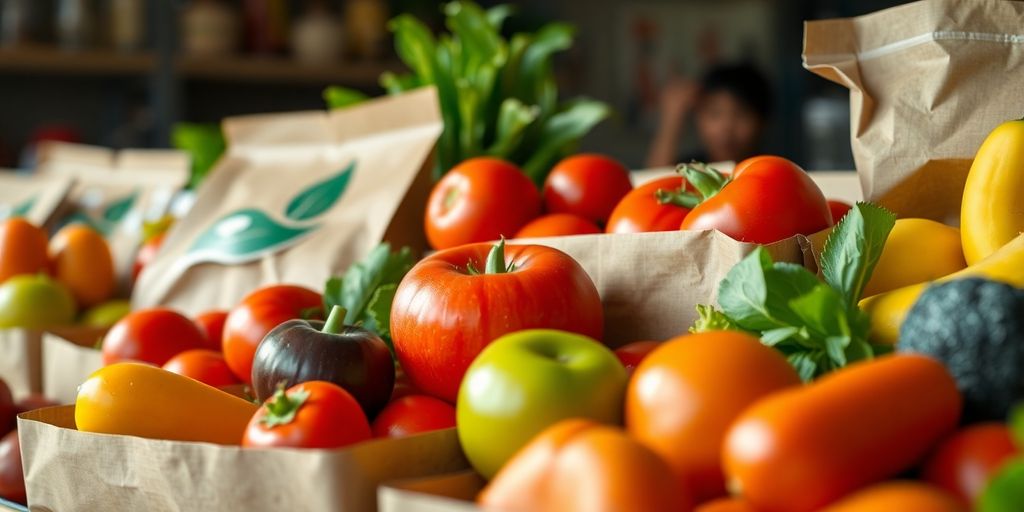
Make it clear: Use labels that show how to recycle or reuse packaging.
Share tips: Provide easy ways for consumers to recycle or repurpose items.
Engage with customers: Use social media to encourage sharing of recycling practices.
Encouraging Proper Disposal Methods
Educate on disposal: Teach consumers the right way to dispose of different materials.
Create guides: Offer simple guides on what can and cannot be recycled.
Incentivize recycling: Consider rewards for customers who return packaging for recycling.
Building Consumer Awareness and Loyalty
Educating consumers about sustainable packaging not only helps the environment but also builds trust and loyalty towards your brand.
Share your story: Tell customers about your sustainable practices.
Use clear messaging: Make sure your sustainability efforts are easy to understand.
Highlight benefits: Show how sustainable choices benefit both the planet and the consumer.
Case Studies of Successful Sustainable Food Packaging
Bioplastics in Food Packaging
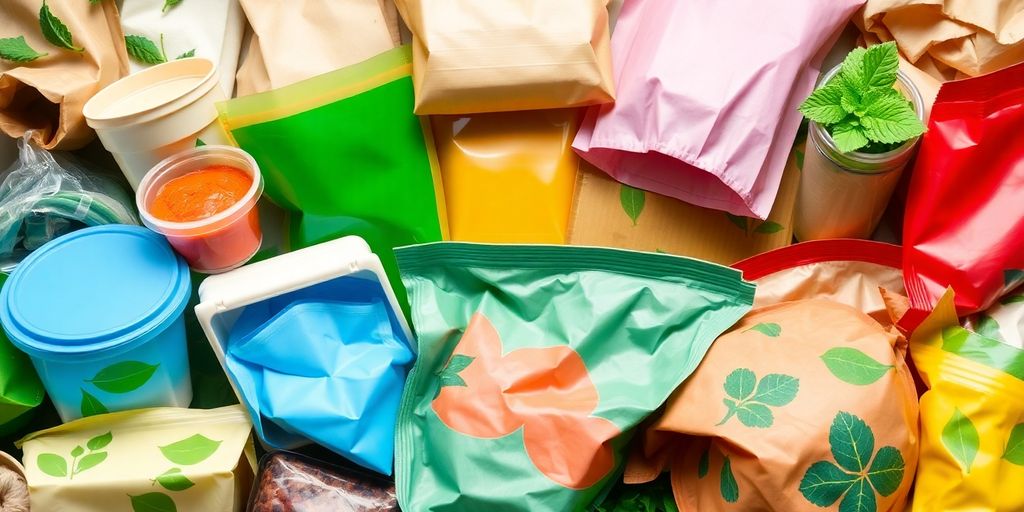
Bioplastics are made from renewable resources like corn or sugarcane. These materials can break down naturally, reducing waste. Many companies are now using bioplastics for their food packaging, which helps lessen the impact on the environment. Here are some benefits of bioplastics:
Made from renewable resources
Compostable or biodegradable
Reduces reliance on fossil fuels
Compostable Packaging Solutions
Compostable packaging is designed to break down in composting conditions. This type of packaging is gaining popularity among brands that want to minimize waste. Some key points include:
Breaks down into natural elements in a compost pile
Reduces landfill waste
Supports a circular economy
Recycled Paper and Cardboard Examples
Using recycled paper and cardboard is another effective way to create sustainable food packaging. Many brands are switching to these materials to lower their environmental impact. Here’s why:
Reduces the need for new raw materials
Lowers energy consumption in production
Often recyclable after use
Sustainable food packaging is not just a trend; it’s a necessary step towards protecting our planet. By learning from successful examples, brands can make better choices for the environment.
Conclusion
In summary, making food packaging more sustainable is essential for our planet and future. By choosing eco-friendly materials, reducing waste, and being mindful of how we package our products, we can all contribute to a healthier environment. Consumers are increasingly looking for brands that care about sustainability, and businesses that embrace these practices not only help the Earth but also build stronger connections with their customers.
That’s why Pando always has been doing, making packaging greener and more sustainable by utilizing eco-friendly materials and innovative designs that reduce waste. Contact us to find a green and sustainable design for your brand!


