


In today’s fast-paced world, takeout food is a popular choice, but the containers used for these meals often harm the environment. As more people recognize the need for eco-friendly options, the demand for sustainable takeout containers is on the rise. This article explores how businesses are innovating to create greener solutions, from plant-based materials to reusable containers, paving the way for a more sustainable future.
Key Takeaways
- Businesses are using plant-based materials to create eco-friendly packaging.
- Reusable container models are becoming popular, encouraging customer participation.
- Innovative delivery solutions help reduce waste and promote sustainability.
- Case studies show how companies are leading the way in eco-friendly practices.
- Technology is playing a key role in tracking and recycling packaging materials.
Innovating with Sustainable Materials
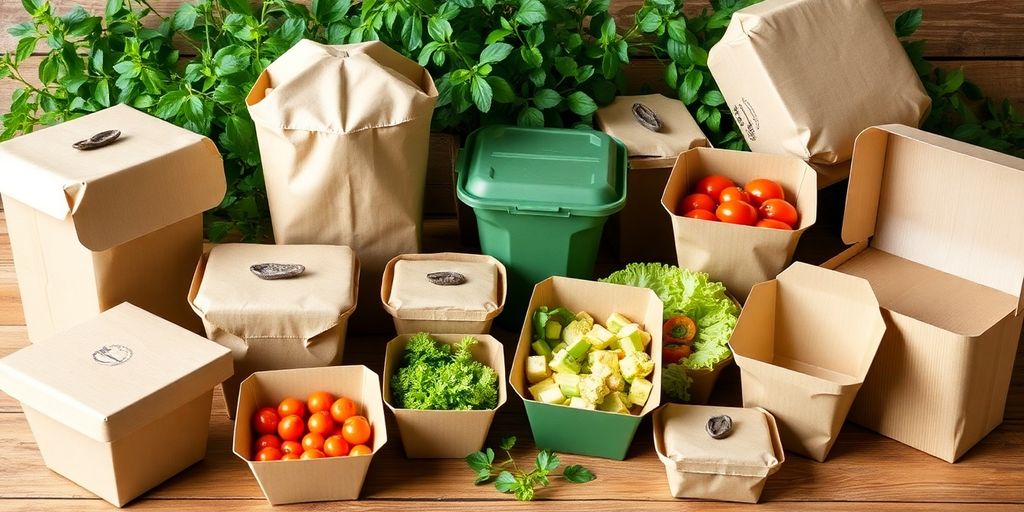
In the fight against plastic waste, companies are making significant changes by using sustainable materials. This shift is not just about replacing plastic; it’s about creating a better future for our planet. Here are some innovative materials being used:
Bioplastics and Paper Bubble Wrap
- Bioplastics are made from natural sources like corn starch and sugarcane, making them a great alternative to traditional plastics.
- Paper bubble wrap provides cushioning without the environmental impact of plastic, ensuring products arrive safely.
- These materials are designed to naturally decompose without leaving toxic residues, including materials such as bamboo fiber and cellulose pulp.
Compostable Wool Insulation
- Wool insulation is not only effective but also compostable, meaning it can return to the earth without harming the environment.
- This material helps keep food warm while being eco-friendly.
- It’s a perfect example of how traditional materials can be reimagined for modern needs.
Recyclable Paper Tape
- Unlike plastic tape, recyclable paper tape can be easily processed in recycling systems, reducing waste.
- It’s strong enough for packaging while being gentle on the environment.
- This small change can make a big difference in reducing plastic waste in packaging.
The move towards sustainable materials is not just a trend; it’s a necessary step for a healthier planet. By choosing eco-friendly options, we can all contribute to a greener future.
By embracing these innovative materials, businesses are not only reducing their environmental impact but also paving the way for a more sustainable future. The journey from plastic to plants is just beginning, and it’s an exciting time for eco-friendly packaging!
The Rise of Reusable Container Models
As we move towards a more sustainable future, the focus is shifting from single-use plastics to reusable containers. This change is not just about using different materials; it’s about creating new systems that reduce waste. Here are some key aspects of this movement:
Returnable Containers
- Return on the Go: Customers can return their containers for discounts on future purchases.
- Refill Stations: Many businesses are setting up stations where customers can refill their containers.
- Durable Designs: These containers are made to last, reducing the need for new packaging.
Consumer Participation
- Incentives: Companies are offering rewards for customers who bring back their containers.
- Awareness Campaigns: Educating consumers about the benefits of reusables helps increase participation.
- Community Programs: Local initiatives encourage people to adopt reusable practices.
Collection Service Convenience
- Easy Returns: Services that pick up used containers make it simple for consumers to participate.
- Subscription Models: Monthly deliveries of products in reusable containers are becoming popular.
- Tracking Systems: Technology helps track containers, ensuring they are returned and reused efficiently.
The shift to reusable containers is not just a trend; it’s a necessary step towards a greener planet. By embracing these models, we can significantly reduce our environmental footprint and promote sustainable practices in our daily lives.
This movement is gaining momentum, with businesses and consumers alike recognizing the importance of reducing waste and promoting sustainability. The future of food packaging is bright, and it’s reusable!
Minimizing Waste Through Innovative Delivery Solutions
In the booming online food delivery market, valued at $53 billion globally, the challenge of packaging waste is becoming more pressing. Companies are stepping up to create innovative solutions that not only satisfy customer cravings but also help the planet.
Biodegradable Burger Boxes
- Eco-friendly options like biodegradable burger boxes are gaining popularity.
- These containers break down naturally, reducing the environmental impact of takeout packaging.
- They are designed to hold up against heat and moisture, ensuring food stays fresh.
Reducing Food Waste
- Innovative delivery models are also focused on cutting down food waste. Here are some key points:
- Subscription services that deliver fresh ingredients help minimize excess food.
- Smart inventory management ensures that only what is needed is delivered.
- Consumer education on proper food storage can further reduce waste.
Eco-Friendly Subscription Models
- Subscription services are changing the game by:
- Offering reusable packaging that can be returned and refilled.
- Providing discounts for customers who participate in recycling programs.
- Creating a community of eco-conscious consumers who prioritize sustainability.
By embracing these innovative delivery solutions, companies are not just addressing the environmental toll of plastics; they are paving the way for a more sustainable future in food packaging.
Case Studies: Pioneers in Takeaway Packaging Reform
The takeaway industry is seeing exciting changes as companies step up to tackle packaging waste. These innovators are leading the way in creating sustainable solutions that make a real difference. Here are some key players:
PriestmanGoode’s Innovations
- Focus on eco-friendly designs that reduce waste.
- Use of biodegradable materials in their packaging.
- Collaboration with restaurants to implement sustainable practices.
DabbaDrop’s Sustainable Practices
- Offers returnable containers for food delivery.
- Encourages customers to participate in reducing waste.
- Provides a collection service for used containers, making it easy for consumers to recycle.
Deliveroo’s Eco-Friendly Strategies
- Partnering with local businesses to promote sustainable packaging.
- Implementing a system to track and reduce food waste.
- Launching campaigns to raise awareness about the importance of sustainable choices.
The shift towards sustainable packaging is not just a trend; it’s a necessary change for our planet. By embracing these new practices, companies are not only helping the environment but also setting a standard for others to follow.
These case studies show how businesses are rethinking takeaway packaging for sustainability. By adopting innovative practices, they are paving the way for a greener future in food delivery.
Leveraging Technology for Eco-Friendly Packaging
In the journey towards sustainable packaging, technology plays a crucial role. It helps us make better choices that are kinder to our planet. Here are some key areas where technology is making a difference:
IoT Solutions for Tracking
- Real-time monitoring: IoT devices can track packaging throughout its lifecycle, ensuring it is used efficiently.
- Inventory management: Smart systems help businesses keep track of their supplies, reducing waste.
- Data analysis: Companies can analyze data to improve their packaging strategies and reduce their environmental impact.
Upcycling Used Packaging
- Creative reuse: Old packaging can be transformed into new products, reducing waste.
- Community programs: Many businesses are starting programs to encourage customers to return used packaging for upcycling.
- Partnerships: Collaborating with local artists or organizations can lead to innovative upcycling solutions.
Circular Economy in Action
- Design for reuse: Packaging is designed to be reused multiple times, minimizing waste.
- Recycling initiatives: Companies are investing in recycling programs to ensure materials are repurposed.
- Consumer education: Informing customers about how to recycle or return packaging helps close the loop.
Technology is not just about making things easier; it’s about creating a sustainable future. By using smart solutions, we can ensure that our packaging choices are environmentally friendly and efficient.
In conclusion, leveraging technology in packaging is essential for a greener future. By adopting these innovative solutions, businesses can significantly reduce their environmental footprint while meeting consumer demands for sustainability. The shift towards eco-friendly packaging is not just a trend; it’s a necessity for our planet.
The Need for Change: Problems with Traditional Food Packaging
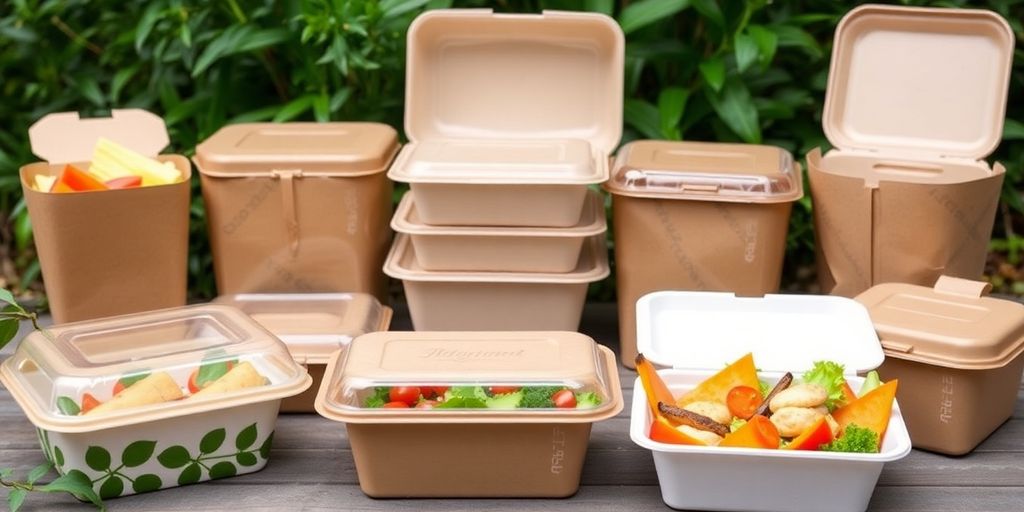
In today’s world, the environmental impact of plastics is a major concern. Traditional food packaging, especially plastic and Styrofoam, creates significant problems for our planet. Here are some key issues:
Environmental Toll of Plastics
- Plastics can take hundreds of years to break down, leading to pollution in landfills and oceans.
- The production of plastic packaging often uses fossil fuels, which releases harmful greenhouse gases.
- Non-biodegradable materials contribute to the growing problem of plastic waste.
Rising Demand for Biodegradable Containers
- Consumers are increasingly looking for eco-friendly alternatives to traditional packaging.
- Businesses are being pushed to adopt biodegradable options to meet this demand.
- The shift towards sustainable packaging is essential for reducing plastic pollution.
Benefits of Biodegradable Packaging
- Reduces landfill waste: Biodegradable materials break down naturally, minimizing waste.
- Lowers carbon footprint: Using renewable resources helps decrease greenhouse gas emissions.
- Supports a circular economy: Sustainable packaging can be reused or recycled, promoting a healthier planet.
The need for change in food packaging is clear. By moving away from traditional materials, we can create a more sustainable future for our environment.
From Plastic to Plants: The Shift to Plant-Based Packaging
Gone are the days when plastic was the primary choice for food takeaway packaging. Today, businesses are embracing biodegradable materials that are not only eco-friendly but also innovative. Here are some notable plant-based alternatives:
Bagasse and Areca Palm Leaves
- Bagasse: Made from sugarcane, this material is greaseproof and serves as a great substitute for petroleum-based containers.
- Areca Palm Leaves: These leaves are crafted into stylish, biodegradable bowls that are perfect for serving food.
Milk Plastic and Seaweed Wrappers
- Milk Plastic: This unique material is derived from milk proteins and can be molded into various shapes.
- Seaweed Wrappers: Edible and biodegradable, these wrappers offer a sustainable option for food packaging.
Elopak’s Pure-Pak eSense
Elopak’s Pure-Pak eSense is a game-changer in the liquid packaging sector. It uses sustainably sourced paperboard, proving that even liquid containers can be made without plastic.
The shift to sustainable packaging is not just about reducing waste; it’s about rethinking how we use materials that would otherwise end up in landfills.
Circular Economy in Action
The concept of a circular economy is crucial for a sustainable future. It involves designing products that can be reused and recycled, minimizing environmental impact. Here are some examples:
- Silberboard Paper: This material is both recyclable and biodegradable, helping to close the loop on waste.
- Splosh’s Take-Back System: This initiative transforms used refill pouches into upcycled products.
- IoT Solutions: These technologies track packaging throughout its lifecycle, ensuring nothing is wasted.
As we move forward, it’s clear that the transition from plastic to plant-based packaging is not just a trend; it’s a necessary step towards a greener future.
Conclusion
In conclusion, the shift towards eco-friendly takeout containers marks a significant step in our journey towards a more sustainable world. As more restaurants and delivery services adopt biodegradable and reusable options, we are not just reducing waste; we are also encouraging a culture of responsibility among consumers. By choosing these greener alternatives, we can all play a part in protecting our planet. The future of takeout looks promising, with businesses leading the way in making choices that benefit both the environment and our health. Together, we can create a cleaner, greener future, one meal at a time.


