


As the world grapples with the growing plastic pollution crisis, biodegradable packaging emerges as a promising solution. This article explores the latest innovations in biodegradable materials, their environmental impacts, challenges to adoption, and future trends. By understanding these aspects, we can appreciate how biodegradable packaging can contribute to a more sustainable future.
Key Takeaways
- Biodegradable packaging is made from natural materials that break down easily, reducing waste.
- Innovations like plant-based plastics and edible packaging are changing the packaging landscape.
- Adopting biodegradable packaging can help businesses meet consumer demand for eco-friendly products.
- Challenges such as cost and public misconceptions still hinder the widespread use of biodegradable packaging.
- The future of packaging is leaning towards sustainable solutions that integrate technology and local sourcing.
Innovations in Biodegradable Packaging Materials
Advancements in Biopolymer Technology
Recent developments in biopolymer technology are paving the way for more sustainable packaging options. These materials are designed to break down naturally, reducing long-term waste. Some key advancements include:
- Polylactic Acid (PLA): Derived from corn starch, PLA is a popular biodegradable alternative to traditional plastics.
- Mushroom Packaging: Made from agricultural waste and mycelium, this innovative material is both compostable and durable.
- Paper and Cardboard: Enhanced with new coatings, these materials are now suitable for liquids and perishable items.
Plant-Based and Bio-Based Plastics
Plant-based plastics are gaining traction as they are made from renewable resources. These materials help lower our reliance on fossil fuels. Notable examples include:
- Bio-PE (Bio-Polyethylene): This is made from sugarcane and has similar properties to regular polyethylene but is more eco-friendly.
- PHA (Polyhydroxyalkanoates): Produced through bacterial fermentation, PHA is versatile and biodegradable, making it a promising option for various packaging needs.
Edible and Compostable Packaging
Innovations in edible packaging are exciting. These materials can be consumed along with the product, reducing waste. Examples include:
- Edible Films: Made from natural ingredients, these films can wrap food items and be eaten afterward.
- Compostable Containers: Designed to break down in composting environments, these containers help reduce landfill waste.
Innovative Material Blends
Combining different materials can lead to better performance and sustainability. Some innovative blends include:
- Biodegradable Plastics with Natural Fibers: This blend enhances strength while remaining eco-friendly.
- Recycled Materials with Biopolymers: Using recycled content in biopolymers can reduce the overall environmental impact.
The future of packaging lies in materials that are not only functional but also environmentally friendly. By embracing these innovations, we can significantly reduce our ecological footprint.
Environmental Impact of Biodegradable Packaging
Reduction of Plastic Waste
Biodegradable packaging plays a significant role in reducing plastic waste. Unlike traditional plastics, which can take hundreds of years to decompose, biodegradable options break down more quickly, helping to lessen the amount of waste in landfills. This shift is crucial for a healthier planet.
Impact on Water Pollution
One of the major benefits of biodegradable packaging is its potential to reduce water pollution. Traditional plastics often end up in oceans and rivers, harming aquatic life. In contrast, biodegradable materials decompose into harmless substances, minimizing their impact on water ecosystems.
| Type of Packaging | Decomposition Time | Environmental Impact |
|---|---|---|
| Traditional Plastics | 100+ years | High |
| Biodegradable Plastics | 1-5 years | Low |
Benefits to Wildlife and Ecosystems
Biodegradable packaging can significantly benefit wildlife and ecosystems. By reducing plastic waste, we can help protect animals from ingesting harmful materials. Additionally, these materials can enrich the soil, promoting healthier ecosystems.
- Protects aquatic life by reducing harmful waste.
- Enhances soil quality through natural decomposition.
- Supports biodiversity by maintaining healthy habitats.
Carbon Footprint Reduction
Switching to biodegradable packaging can also lead to a reduction in carbon footprint. These materials often require less energy to produce and can help lower greenhouse gas emissions.
The shift towards biodegradable packaging is not just a trend; it’s a necessary step towards a sustainable future. By embracing these materials, we can create a cleaner environment for generations to come.
Challenges in Adopting Biodegradable Packaging
Cost and Economic Factors
One of the main challenges in using biodegradable packaging is the high costs associated with its production. Compared to traditional plastics, biodegradable options can be more expensive, which makes them less appealing for many businesses. This can lead to a reluctance to switch to more sustainable materials.
Public Perception and Misconceptions
Many people believe that biodegradable materials break down quickly in any environment. This misunderstanding can lead to improper disposal practices, where consumers might think it’s okay to throw biodegradable items anywhere. Educating the public about the correct disposal methods is crucial for the success of biodegradable packaging.
Legislative and Regulatory Hurdles
Different countries have varying rules about biodegradable materials. This inconsistency can create confusion for companies trying to comply with regulations. Legislative challenges can slow down the adoption of biodegradable packaging, as businesses may hesitate to invest in materials that might not meet local laws.
Technological Limitations
The technology for producing biodegradable packaging is still developing. There are limitations in the types of materials available and the processes used to create them. As technology improves, we can expect better options that are both effective and affordable.
The future of biodegradable packaging looks promising, but overcoming these challenges is essential for widespread adoption.
Future Trends in Sustainable Packaging
Smart and Intelligent Packaging
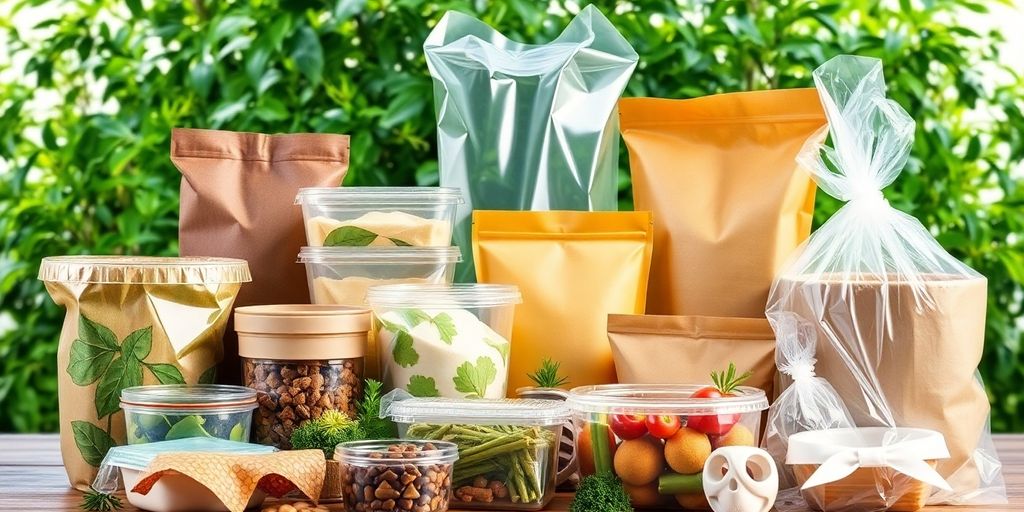
Smart packaging is becoming a key trend in sustainable packaging. This technology helps improve sustainability by using smart labels, RFID, and QR codes. These tools allow companies to track their packaging, ensuring it is returned and reused properly. This not only helps reduce waste but also enhances logistics by identifying areas for improvement.
Reusable and Returnable Packaging
The shift towards reusable packaging is gaining momentum. Companies are focusing on designs that last longer and can be used multiple times. Here are some benefits of reusable packaging:
- Reduces waste production
- Promotes a circular economy
- Lowers overall costs in the long run
Local and Regional Sourcing
Sourcing materials locally is becoming more popular. This trend helps reduce transportation emissions and supports local economies. Companies are looking for ways to use materials that are readily available in their regions, which can also lead to fresher products.
Integration with Recycling Programs
Many businesses are now integrating their packaging with recycling programs. This means designing packaging that is easy to recycle and encouraging consumers to participate in recycling efforts. This approach not only helps the environment but also builds a positive brand image.
The future of packaging is about creating solutions that are not only effective but also environmentally friendly. By focusing on sustainability, companies can meet consumer demands while protecting our planet.
Summary of Trends
In summary, the future of sustainable packaging includes:
- Smart and intelligent packaging technologies.
- Increased use of reusable and returnable options.
- Local sourcing of materials.
- Stronger integration with recycling initiatives.
Business Benefits of Biodegradable Packaging
Adopting biodegradable packaging can bring many advantages to businesses. Here are some key benefits:
Enhancing Brand Image
- Companies that use eco-friendly packaging can improve their brand image.
- This attracts customers who care about the environment.
- Being seen as a green company can lead to increased sales.
Meeting Consumer Demand
- More consumers are looking for sustainable options.
- Businesses that offer biodegradable packaging can meet this demand.
- This can lead to a loyal customer base.
Compliance with Environmental Regulations
- Many places are creating stricter rules about plastic use.
- Using biodegradable packaging helps businesses stay compliant.
- This can prevent fines and legal issues.
Long-Term Cost Savings
- Using eco-friendly packaging can cut costs over time.
- It can reduce waste management expenses.
- Some businesses may even receive tax incentives for going green.
By choosing biodegradable packaging, companies not only help the planet but also position themselves for future success.
In summary, the shift to biodegradable packaging is not just good for the environment; it also offers significant business benefits. Companies can enhance their image, meet consumer needs, comply with regulations, and save money in the long run.
Case Studies of Successful Biodegradable Packaging
EcoEnclose’s Community Impact
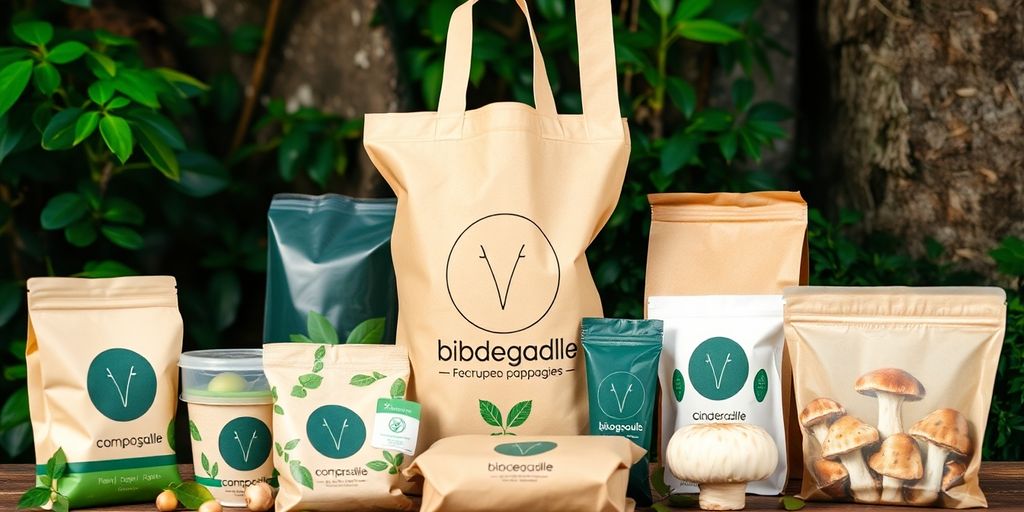
EcoEnclose has made a significant impact by using biodegradable packaging solutions. Their custom compostable containers have helped businesses like Flax4Life Bakery displace 650,000 lbs of petroleum-based plastic. This not only reduces waste but also promotes a healthier environment.
Bio-Tec Environmental’s Innovations
Bio-Tec Environmental is recognized for its innovative biodegradable technologies. A notable case study highlights that their materials emit 30% less greenhouse gases compared to traditional options. This advancement is crucial in the fight against climate change and showcases the potential of biodegradable materials.
Food Service Industry Applications
The food service industry is increasingly adopting biodegradable packaging. Many restaurants are now using:
- Compostable takeout containers
- Biodegradable utensils
- Plant-based straws
These choices not only meet consumer demand for sustainability but also help reduce plastic waste in landfills.
Retail and Consumer Goods Examples
Retailers are also embracing biodegradable packaging. Examples include:
- Biodegradable bags for groceries
- Compostable mailers for online orders
- Eco-friendly product packaging for cosmetics
These initiatives enhance brand image and appeal to eco-conscious consumers, driving a shift towards sustainable practices in retail.
The shift towards biodegradable packaging is not just a trend; it’s a necessary step for a sustainable future. By learning from these case studies, businesses can make informed decisions that benefit both the environment and their bottom line.
Technological Innovations Driving Biodegradable Packaging
Advanced Biodegradable Polymers
Recent advancements in biodegradable polymers are changing the packaging landscape. These materials are designed to break down more easily than traditional plastics, making them a better choice for the environment. Some examples include:
- Polylactic Acid (PLA): Made from corn starch, this polymer is widely used in packaging.
- Polyhydroxyalkanoates (PHA): Produced by bacteria, PHA is another promising biodegradable option.
- Starch-Based Plastics: These are made from natural starch and are compostable.
Improved Additive Technologies
Additives are being developed to enhance the performance of biodegradable materials. These can help improve strength, flexibility, and shelf life. Some key innovations include:
- Natural Fillers: Using materials like cellulose to strengthen biodegradable plastics.
- Biodegradable Coatings: These can protect products while ensuring the packaging itself breaks down.
- Smart Additives: These can change properties based on environmental conditions, improving usability.
Digital and Blockchain Integration
Technology is also playing a role in tracking and managing biodegradable packaging. Digital tools can help:
- Monitor Supply Chains: Ensuring materials are sourced sustainably.
- Provide Transparency: Consumers can see the lifecycle of their packaging.
- Enhance Recycling Efforts: By integrating with recycling programs, companies can improve waste management.
On-Demand Production and Digital Printing
The rise of digital printing allows for on-demand production of biodegradable packaging. This means:
- Less Waste: Only what is needed is produced, reducing excess.
- Customization: Brands can create unique packaging designs easily.
- Faster Turnaround: Companies can respond quickly to market demands.
The future of biodegradable packaging is bright, driven by innovations that not only reduce waste but also enhance functionality. As companies invest in these technologies, we can expect to see a significant shift towards more sustainable practices in the packaging industry.
Conclusion
In summary, biodegradable packaging offers a promising solution to reduce environmental harm. It encourages eco-friendly practices and helps communities move towards zero waste. By using materials like biopolymers and compostable plastics, we can lessen the negative effects of packaging on our planet. This shift not only improves waste management but also protects our water and ecosystems. As more people choose biodegradable options, we can expect a healthier environment. It’s crucial for businesses to invest in these sustainable choices now, as they pave the way for a greener future. The best packaging for tomorrow is one that is eco-friendly, renewable, and designed to break down naturally.


