


As the world becomes more aware of environmental issues, compostable food bags are gaining popularity. These bags offer a practical solution for eco-conscious consumers who want to reduce their impact on the planet. This article explores the rise of compostable food bags, highlighting their benefits, effective usage, and the growing market demand.
Key Takeaways
- Compostable food bags are made from natural materials that break down easily in composting environments.
- They help reduce plastic waste and pollution, making them a better choice for the environment.
- Using compostable bags can improve soil health by turning waste into nutrient-rich compost.
- Consumers are increasingly looking for sustainable packaging options, driving demand for compostable bags.
- Businesses adopting compostable bags can enhance their brand image and meet regulatory requirements.
Understanding Compostable Food Bags
Definition and Composition
Compostable food bags are made from sustainable materials like cornstarch, sugar, and cellulose. Unlike regular plastic bags, which can last for hundreds of years, compostable bags break down in a few months when placed in a composting environment. This process turns them into nutrient-rich compost that can help improve soil health.
Difference Between Compostable and Biodegradable
It’s important to know the difference between compostable and biodegradable bags. While biodegradable bags can break down over time, they may leave behind harmful residues. In contrast, compostable bags break down completely without leaving any toxic materials, making them a better choice for the environment.
Environmental Benefits
Using compostable food bags offers several environmental benefits:
- Reduces landfill waste: Compostable bags help decrease the amount of trash that ends up in landfills.
- Lowers carbon footprint: The production of compostable bags often requires less energy than plastic bags, which helps reduce overall carbon emissions.
- Supports sustainable practices: By using compostable bags, consumers contribute to a circular economy where waste is minimized and materials are reused.
Compostable bags are a step towards a more sustainable future, helping to turn waste into a valuable resource.
The Environmental Impact of Compostable Food Bags
Reducing Plastic Pollution
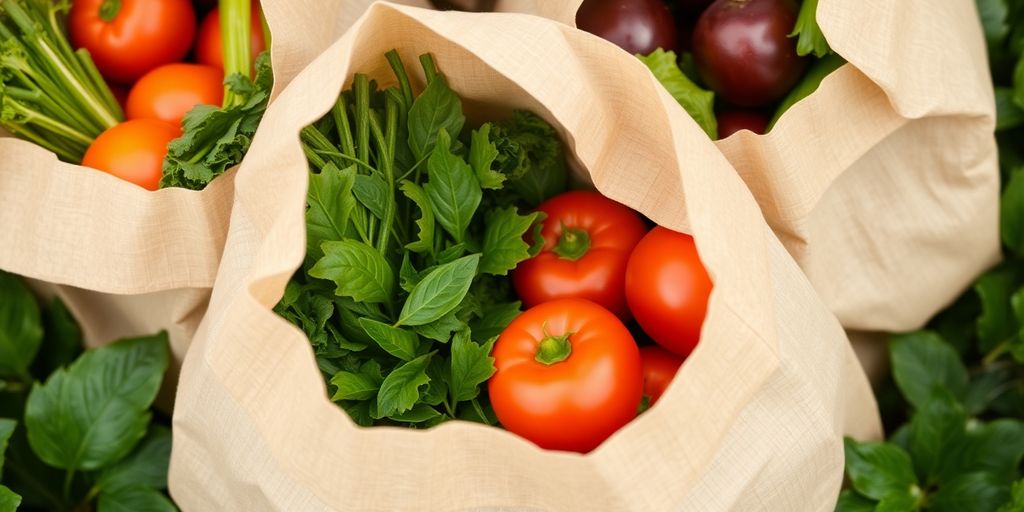
Compostable food bags play a crucial role in reducing plastic pollution. Traditional plastic bags can take hundreds of years to decompose, contributing significantly to environmental harm. In contrast, compostable bags break down within months in a proper composting environment, helping to minimize waste in landfills. This process not only helps reduce landfill waste but also extends municipal landfill life by diverting organic materials and saving space in landfills.
Enhancing Soil Health
When compostable bags decompose, they turn into nutrient-rich compost that can enhance soil health. This compost acts as a natural fertilizer, promoting plant growth and supporting sustainable agriculture. By using compostable bags, consumers contribute to a healthier ecosystem, as these bags enrich the soil rather than pollute it.
Lowering Carbon Footprint
Using compostable food bags can also help in lowering carbon footprint. The production of these bags often requires less energy compared to traditional plastic bags. Additionally, the materials used are typically sourced from sustainable resources, which further reduces the overall carbon emissions associated with their lifecycle.
Compostable food bags are not just a trend; they represent a significant step towards a more sustainable future. By choosing these bags, consumers can make a positive impact on the environment and support eco-friendly practices.
| Environmental Impact | Traditional Plastic Bags | Compostable Food Bags |
|---|---|---|
| Decomposition Time | Hundreds of years | Months |
| Contribution to Soil | None | Nutrient-rich compost |
| Carbon Footprint | High | Lower |
How to Use Compostable Food Bags Effectively
Proper Usage Tips
To get the most out of your compostable food bags, follow these simple tips:
- Use them for organic waste: These bags are perfect for food scraps, yard waste, and other compostable materials.
- Choose the right size: Select a bag that fits your needs, whether for kitchen bins or yard waste.
- Check for certifications: Look for labels like BPI or EN 13432 to ensure the bags meet compostability standards.
Disposal Methods
Proper disposal is crucial for compostable bags to work effectively:
- Compost them: Make sure the bags go into a composting setup, not a landfill.
- Follow local guidelines: Check if your community has specific rules for compostable waste.
- Avoid contamination: Keep non-compostable items out of the bags to ensure they break down properly.
Common Mistakes to Avoid
Here are some common pitfalls to watch out for:
- Using them for non-organic waste: Don’t put plastic or other non-compostable items in these bags.
- Ignoring local composting rules: Always follow your local composting guidelines to ensure proper disposal.
- Assuming they break down anywhere: Remember, compostable bags need a specific environment to decompose effectively.
Compostable bags are a great step towards reducing waste, but proper usage and disposal are key to their success.
By following these guidelines, you can effectively use compostable food bags and contribute to a healthier planet!
The Market Demand for Compostable Food Bags
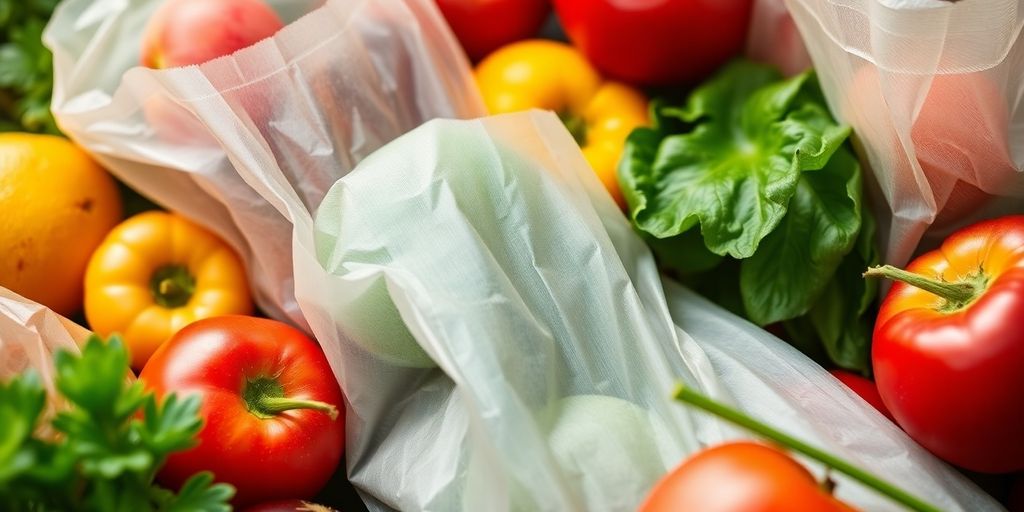
As more people become aware of environmental issues, the demand for compostable food bags is rising. These bags are not just a trend; they represent a shift in how consumers think about packaging.
Consumer Preferences
- Many consumers prefer products that are eco-friendly.
- Shoppers are willing to pay a little more for sustainable options.
- There is a growing interest in brands that use compostable materials.
Business Adoption
- Companies are increasingly switching to compostable bags to meet customer demand.
- Many businesses see this as a way to enhance their sustainable branding.
- The market for biodegradable paper and plastic packaging is projected to grow from $13.3 billion in 2023 to $31.6 billion by 2032.
Government Regulations
- Governments are implementing stricter rules on single-use plastics.
- Many local governments are encouraging the use of compostable materials.
- Regulations are pushing businesses to adopt more sustainable practices.
The shift towards compostable food bags is not just about being trendy; it’s about making a real difference in our environment. By choosing compostable options, consumers and businesses can work together to reduce waste and promote sustainability.
Innovations in Compostable Food Bag Materials
Advancements in Bioplastics
Recent developments in bioplastics have led to the creation of materials that are not only eco-friendly but also durable. These materials are derived from renewable resources, making them a sustainable alternative to traditional plastics. For example, some companies are now using cornstarch and other plant-based materials to produce compostable bags that break down quickly in composting environments.
New Compostable Polymers
Innovations in compostable polymers have introduced new options for manufacturers. One notable example is Marinatex, a bioplastic made from algae and fish waste. This material not only reduces waste but also provides a unique solution for packaging needs. The table below summarizes some of the key materials used in compostable bags:
| Material | Source | Decomposition Time | Environmental Impact |
|---|---|---|---|
| Cornstarch | Corn | 90-180 days | Low |
| PLA | Corn or sugarcane | 90-180 days | Low |
| Marinatex | Algae and fish waste | 60-90 days | Very Low |
Future Trends
The future of compostable food bags looks promising. As more consumers demand sustainable options, manufacturers are likely to invest in research and development. This will lead to even more innovative materials that are effective and environmentally friendly.
The shift towards compostable materials is not just a trend; it’s a necessary step for a sustainable future.
In conclusion, the innovations in compostable food bag materials are paving the way for a greener planet. With advancements in bioplastics and new compostable polymers, consumers can make eco-conscious choices that benefit the environment.
Challenges and Solutions in Adopting Compostable Food Bags
Cost Considerations
One of the main challenges in adopting compostable food bags is their higher initial cost compared to traditional plastic bags. Many consumers and businesses may hesitate to switch due to this price difference. However, it’s important to consider the long-term benefits, such as reduced landfill fees and environmental cleanup costs, which can make compostable bags more economical over time.
Consumer Education
Another significant hurdle is the lack of awareness about how to properly use and dispose of compostable bags. Many people are unsure about what compostable means and how these bags differ from regular plastic. To overcome this, education campaigns can help inform consumers about the correct usage and disposal methods, ensuring that these bags are used effectively.
Infrastructure Needs
The success of compostable food bags also depends on the availability of proper composting facilities. In many areas, composting infrastructure is limited, making it difficult for consumers to dispose of these bags correctly. Local governments and organizations can play a crucial role in developing composting programs that accept compostable bags, thus enhancing their effectiveness.
In summary, addressing these challenges requires a collective effort from consumers, businesses, and governments to create a sustainable future.
Summary of Challenges and Solutions
| Challenge | Solution |
|---|---|
| Higher Costs | Long-term economic benefits |
| Lack of Awareness | Education campaigns |
| Limited Composting | Development of local composting programs |
The Role of Businesses in Promoting Compostable Food Bags
Corporate Responsibility
Businesses, especially in the food service and retail sectors, can lead the way by switching to compostable food bags. This change not only shows their commitment to sustainability but also encourages consumers to adopt eco-friendly habits. By making this switch, companies can significantly contribute to eliminating food packaging waste through regenerative practices.
Sustainable Branding
Using compostable food bags can enhance a brand’s image. It appeals to environmentally conscious consumers who prefer brands that prioritize sustainability. This strategy can help businesses stand out in a crowded market and build stronger customer loyalty.
Case Studies of Successful Implementation
Many companies have successfully integrated compostable food bags into their operations. Here are a few examples:
- Starbucks: Transitioned to compostable cups and bags, reducing their plastic footprint.
- Whole Foods: Offers a range of compostable packaging options, promoting a greener shopping experience.
- Local Restaurants: Many have adopted compostable bags for takeout, showcasing their commitment to the environment.
By investing in compostable packaging, businesses can demonstrate their dedication to environmental stewardship while appealing to a growing segment of eco-conscious consumers. This not only strengthens brand loyalty but also positions companies as leaders in the global movement towards sustainability.
Conclusion
Switching to compostable food bags is not just a passing trend; it’s an essential part of our global mission to cut down waste and safeguard our planet. By recognizing their advantages, using them correctly, and supporting their growth, both individuals and businesses can make a big difference in this green movement. As we keep finding new ways to be eco-friendly, compostable food bags emerge as a simple yet powerful tool in our journey toward a cleaner and healthier Earth.


