


In today’s fast-paced world, takeout meals are a staple for many. Whether you’re grabbing a quick lunch or enjoying dinner at home, having the right to-go containers is crucial. This guide will help you navigate the various options available, ensuring your food stays fresh and delicious while also considering environmental impact.
Key Takeaways
- Choose the right material based on your food type: plastics like PP for hot foods, PET for cold items.
- Select sizes and shapes that fit your menu: individual containers for single meals and larger ones for family servings.
- Look for features that enhance usability: ventilation for fried foods, tamper-evident seals for safety, and stackable designs for storage.
- Consider sustainability: opt for recyclable or biodegradable options to reduce waste and promote eco-friendliness.
- Find a reliable supplier that offers quality containers at competitive prices and provides good customer service.
Understanding Different Types of To Go Containers

When it comes to takeout, the type of container you choose can greatly affect the quality of your food. Here’s a look at the most common types of to go containers:
Plastic Containers
Plastic containers are widely used because they are lightweight and durable. They come in various shapes and sizes, making them versatile for different types of food. Many plastic containers are microwave-safe, which adds to their convenience. However, it’s important to consider the environmental impact of plastic use, as it can be harmful to the planet.
Foil Containers
Foil containers are excellent for keeping food hot. They are often used for baked goods and meals that need to be heated. These containers are recyclable, but they can be less sturdy than plastic options. They are a good choice for businesses looking to maintain food temperature during delivery.
Cardboard Containers
Cardboard containers are a more eco-friendly option. They are often used for items like salads and sandwiches. While they are biodegradable, they may not hold up as well with liquids. Choosing cardboard can show customers that you care about sustainability.
Biodegradable Containers
Biodegradable containers are made from plant-based materials and are designed to break down naturally. They are a great choice for environmentally conscious consumers. However, they may not be as durable as plastic or foil options.
| Type of Container | Pros | Cons |
|---|---|---|
| Plastic | Lightweight, microwave-safe | Environmental concerns |
| Foil | Keeps food hot, recyclable | Less sturdy |
| Cardboard | Eco-friendly, biodegradable | Not great for liquids |
| Biodegradable | Sustainable, plant-based | May lack durability |
Understanding the different types of to go containers is essential for making informed choices that benefit both your food and the environment. Choosing the right container can enhance the overall takeout experience for your customers.
Choosing the Right Material for Your To Go Containers
When it comes to selecting the best containers for takeout, the material you choose is crucial. Different materials offer various benefits and drawbacks, so understanding them can help you make the right choice.
Polypropylene (PP)
Polypropylene, often abbreviated as PP, is a popular choice for takeout containers. It is known for its strength and ability to handle heat, making it suitable for a variety of foods. Here are some key points about PP:
- Durable and resistant to cracking.
- Safe for microwave and freezer use.
- Recyclable, which helps reduce waste.
Polyethylene Terephthalate (PET)
PET is another common material used in food containers. It is lightweight and clear, making it great for displaying food. Here are its main features:
- Excellent for salads and cold dishes.
- Resistant to moisture and grease.
- Often used for single-use containers.
High-Density Polyethylene (HDPE)
HDPE is known for its strength and resistance to impact. It is ideal for packaging oily or saucy foods. Key characteristics include:
- Provides a strong barrier against moisture.
- Suitable for takeout items that need to stay fresh.
- Often used for larger containers.
Biodegradable Options
With growing environmental concerns, many are turning to biodegradable containers. These are made from plant-based materials and are designed to break down naturally. Benefits include:
- Eco-friendly and reduce landfill waste.
- Often compostable, making them a sustainable choice.
- Help improve your brand’s image as environmentally conscious.
Choosing the right material not only affects the quality of your food but also impacts your brand’s reputation. Make sure to consider the needs of your customers and the environment when selecting your containers.
Selecting the Appropriate Size and Shape
When it comes to takeaway containers, choosing the right size and shape is crucial for keeping your food fresh and appealing. Here’s a breakdown of the different types:
Individual Meal Containers
- Look for containers with compartments to keep different foods separate.
- Ideal size: 24-30 oz for a balanced meal.
- Consider microwave-safe options for easy reheating.
Family-Sized Containers
- Larger rectangular containers are perfect for sharing meals.
- Sizes can range from 48 oz to 64 oz, depending on the number of servings.
- Ensure they have secure lids to prevent spills during transport.
Soup and Stew Containers
- Choose containers with tight-fitting lids to avoid leaks.
- Recommended size: 16-32 oz, depending on the portion.
- Look for options that can withstand heat for reheating.
Salad and Dessert Containers
- Transparent containers showcase the vibrant colors of salads and desserts.
- Sizes typically range from 12 oz to 24 oz.
- Ensure they have secure lids to keep ingredients fresh.
Selecting the right size and shape not only enhances the presentation but also ensures that your food arrives in perfect condition.
By understanding the needs of your menu, you can make informed choices that enhance the overall takeout experience.
Enhancing the Takeout Experience with Special Features
When it comes to takeout, certain features can significantly improve the experience for both customers and restaurants. Here are some key features to consider:
Ventilation Systems
Ventilation systems in containers allow steam to escape, which helps keep fried foods crispy and fresh. This is especially important for items like fries and chicken, where sogginess can ruin the meal.
Tamper-Evident Seals
Using tamper-evident seals ensures that customers receive their food untouched. This feature provides peace of mind, knowing that their meal has not been tampered with during delivery.
Stackability
Containers designed for stackability save space and make transportation easier. This is crucial for restaurants that need to store multiple orders efficiently.
| Feature | Benefits |
|---|---|
| Ventilation Systems | Keeps food crispy and fresh |
| Tamper-Evident Seals | Ensures food safety and customer trust |
| Stackability | Saves storage space and simplifies transport |
Remember: The right features can enhance the overall takeout experience, making it more enjoyable for customers and easier for restaurants to manage.
By focusing on these special features, you can elevate your takeout service and ensure customer satisfaction.
Sustainability and Environmental Impact
As more people become aware of environmental issues, businesses are looking for sustainable food containers. The choice of materials can greatly affect our planet. Here are some key points to consider:
Recyclable Plastics
- Polyethylene Terephthalate (PET): Commonly used and recyclable.
- High-Density Polyethylene (HDPE): Another recyclable option that is durable.
- Avoid non-recyclable plastics: These can harm the environment.
Biodegradable and Compostable Options
- Made from materials like cornstarch or sugarcane.
- Break down faster than traditional plastics, reducing landfill waste.
- Educate customers on how to dispose of these containers properly.
Reusable Containers
- Encourage customers to return containers for cleaning and reuse.
- This helps create a circular economy, reducing waste.
- Consider offering incentives for returns.
Navigating the environmental impact of takeout packaging is crucial. The prevalent use of plastic, styrofoam, and cardboard takeaway containers poses a severe threat to our environment.
By choosing the right materials and educating customers, businesses can significantly reduce their environmental footprint while still providing quality service.
Finding a Reliable Supplier for Your To Go Containers
When it comes to buying to-go containers in bulk, having a trustworthy supplier is key. Here are some important factors to consider:
Variety and Quality
- Look for a supplier that offers a wide range of high-quality containers that meet your needs.
- Ensure the materials used are safe for food and suitable for your specific dishes.
Competitive Pricing
- Compare prices from different suppliers to find the best deals.
- Ask about discounts for bulk purchases to maximize your savings.
Customer Care
- Choose a supplier known for excellent customer service.
- A good supplier should be responsive and helpful, making your ordering process smooth.
Pro Tips for Choosing a Supplier
- Think about portion sizes: Make sure the containers fit your serving sizes to avoid spills.
- Consider reheating needs: Ensure containers can handle reheating without melting or warping.
- Don’t forget extras: Look for suppliers that offer additional items like lids, utensils, and bags.
- Stay updated: Keep informed about any changes in food safety regulations that might affect your choices.
- Get creative: Explore unique container designs that enhance the customer experience, like those with compartments for sauces.
Finding the right supplier can make a big difference in your business. By focusing on quality and service, you can ensure your food is delivered safely and looks great.
Tips for Proper Usage and Maintenance
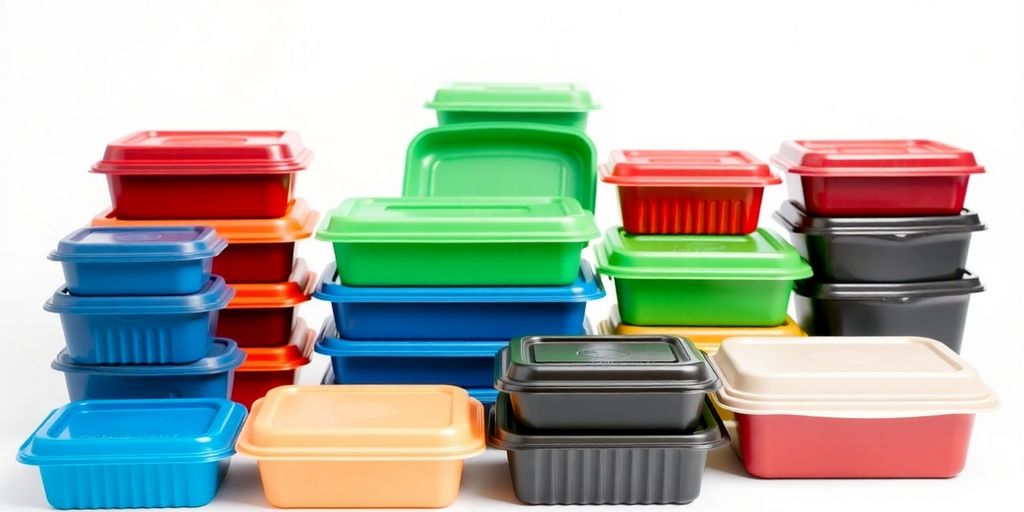
Safe Handling and Storage
To keep your food safe and fresh, follow these simple tips:
- Store containers in a clean, dry place.
- Always handle them with clean hands to avoid contamination.
- If using reusable containers, ensure they are thoroughly cleaned and dried before each use.
Reheating Guidelines
When reheating food, remember:
- Check if the container is microwave-safe before use.
- Avoid overheating, as it can damage the container.
- Use a cover to prevent splatters and keep moisture in.
Disposal and Recycling
Proper disposal helps the environment:
- Educate customers on how to compost biodegradable containers.
- Ensure recyclable containers are clean before recycling.
- Remember, not all plastics are recyclable; check local guidelines.
Proper usage and maintenance of your food containers can help your business operate more efficiently, provide a better service to your customers, and minimize your environmental footprint.
Maintaining Container Integrity
To keep your containers in good shape:
- Replace plastic containers every six months to one year based on usage and wear.
- Avoid using containers that show signs of cracking or warping.
- Store containers with lids off to prevent odors and moisture buildup.
By following these tips, you can ensure that your to-go containers serve you well and keep your food safe and delicious!
Final Thoughts on Choosing the Right To-Go Containers
In conclusion, picking the right to-go containers is crucial for keeping your food fresh and tasty. With so many options out there, it’s important to think about what works best for your meals. Consider the materials, sizes, and features that will make your takeout experience better. Remember, good containers not only protect your food but also help your business shine. By following the tips in this guide, you can make smart choices that will impress your customers and keep them coming back for more.


